The best fishing rods for beginners 2026 are not the flashiest rods on the rack. They are rods that match your water, target fish, line, and first-season casting skill. This guide explains length, power, and action in plain English, compares spinning vs casting for new anglers, and uses realistic under-$50, under-$100, and under-$150 shopping bands without pretending prices stay fixed all season.
Freshness note: Reviewed on August 18, 2026. The recommendations are spec-based rather than brand-ranked: verify live retailer prices, rod lure ratings, line ratings, warranty terms, and saltwater hardware claims before you buy.
Sort your license first through the US Fishing License Guide 2026. A great rod does not help if you cannot legally fish the water you planned.
Length, Power, and Action Explained
Rod labels look cryptic until you decode three specs:
| Spec | What it means | Beginner default |
|---|---|---|
| Length | Tip-to-butt size; longer rods cast farther and control line better, shorter rods are easier in tight cover | 6’6”–7’ |
| Power | How much force it takes to bend the blank (ultralight → heavy) | Medium |
| Action | Where the blank bends under load (slow tip → fast tip) | Moderate or moderate-fast |
Length: A 6’6”–7’ rod covers most pond, lake, and light pier work. Shorter rods (5’6”–6’) shine for kids, kayaks, and brushy banks. Longer rods (7’+ ) help surf or long casts but feel clumsy for first-day dock fishing.
Power: Medium power is the beginner sweet spot—light enough for panfish feel, strong enough for average bass and catfish. Light/ultralight rods are fun for trout and bluegill but struggle with heavier cover. Medium-heavy is overkill until you regularly fish bigger fish or denser weeds.
Action: Moderate-fast is a forgiving all-around default for many beginners. Fast-action rods are also common on beginner-friendly models and can improve sensitivity; choose the action that matches the lure rating and technique instead of treating fast as an advanced-only feature.
If a package says only “bass rod” with no power/action, skip it or ask the seller to confirm the blank rating.
Spinning vs Casting Rods for Beginners
Rod type must match reel type. Buying a casting rod for a spinning reel (or the reverse) is a common aisle mistake.
| Setup | How it casts | Beginner fit | Typical first use |
|---|---|---|---|
| Spinning | Open-face reel under the rod; bail opens to release line | Best all-around starter | Ponds, lakes, light piers |
| Spincast | Closed-face, push-button reel | Easiest for kids / absolute first casts | Parks, docks, supervised trips |
| Baitcasting | Reel on top; thumb controls spool | Intermediate+ | Precision bass fishing later |
| Conventional / surf | Larger top-mount reels | Special-purpose | Beach and boat work later |
For most adults starting in 2026, buy a spinning rod. It casts light lures, handles mono easily, and grows with your skill. Spincast is excellent for children and anyone who wants the fewest moving parts on trip one. Delay baitcasters until you can cast a spinning outfit without bird’s nests and understand drag settings.
Reel deep dive: Spinning Reel vs Spincast Reel. Full gear order: Fishing Gear for Beginners.
Freshwater vs Light Saltwater Rod Choices
Match the blank and hardware to where you will fish most often.
| Water plan | Rod bias | Hardware notes | Line starting point |
|---|---|---|---|
| Ponds / lakes (panfish) | 6’–6’6” light–medium spinning | Standard guides OK | 4–8 lb mono |
| Largemouth / mixed freshwater | 6’6”–7’ medium spinning | Comfortable grip, decent guides | 8–12 lb mono |
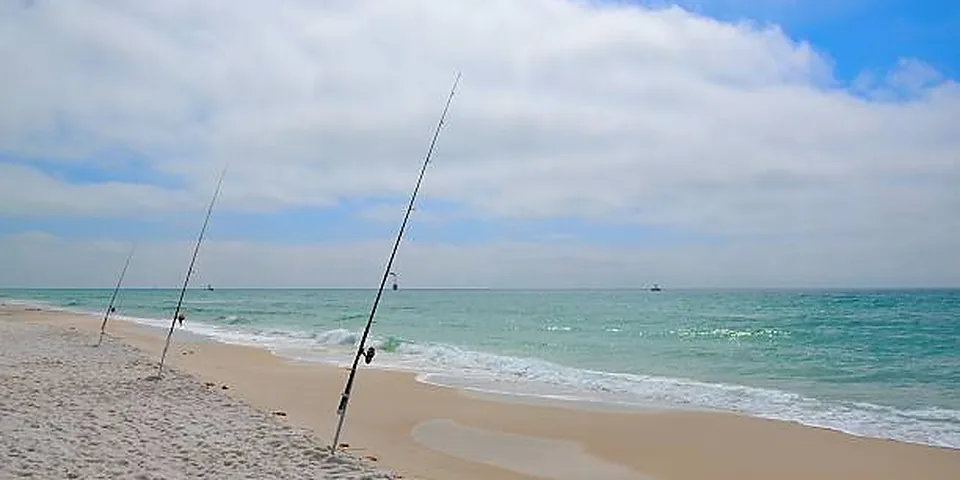
| Light salt / pier / bay | 7′ medium spinning | Corrosion-resistant guides and reel seat; rinse after every trip | 10-15 lb mono or braid + leader |
| Trout streams | 5’6”–6’6” light / ultralight | Sensitive tip | 4–6 lb mono/fluoro |
A freshwater spinning rod can survive an occasional rinsed pier trip. Frequent salt air eats cheap guides and reel seats, so buy salt-rated hardware first if coastal water is your normal plan.
If your home water is coastal, prioritize stainless or ceramic guides and a reel built for salt from day one. Water-type license rules can also change which product you need—see Freshwater vs Saltwater Fishing License.
What to Buy Under $50, $100, and $150
Think in setup types, not celebrity rankings. Prices fluctuate by retailer and season; treat these as shopping targets.
Under $50: Get on the water
Goal: One usable casting tool, not a lifelong trophy blank.
- Setup type: Basic 6′-6’6″ light-medium or medium spinning combo, or a quality spincast combo for kids
- What “good” looks like: Straight blank, smooth guides (no rough edges), reel that retrieves without grinding
- Tradeoffs: Heavier blanks, basic cork/EVA grips, fewer lure-weight options
- Skip: Novelty cartoon rods with tiny reels that cannot hold enough line
At this budget, a matched combo usually beats a random rod plus a mismatched thrift-store reel. Pair with fresh 6–10 lb monofilament—old line ruins new gear. Line guide: Best Fishing Line for Beginners.
Under $100: The practical sweet spot
Goal: A rod you will still like after season one.
- Setup type: 6’6″-7′ medium, moderate or moderate-fast spinning combo; reel in the 2500-3000 class
- What “good” looks like: Clear lure-weight and line-weight ratings on the blank, comfortable split grip or full grip, reel with a usable front drag
- Example categories (not ranked scores): Entry spinning lines from widely distributed outdoor brands and big-box house brands often land here; judge the blank ratings and guide finish, not the logo size
- Skip: “Bass casting kits” that push a baitcaster on day one
This is where most beginners should stop shopping. Combo shopping notes: Best Fishing Rod and Reel Combo Kits Under $100.
Under $150: Better feel, same mission
Goal: Noticeably better sensitivity and durability without specialty technique rods.
- Setup type: Same 6’6”–7’ medium spinning blueprint, but a higher-grade blank and smoother reel drag
- What you gain: Lighter swing weight, smoother drag, and better durability; cast only within the printed lure-weight rating, which may be closer to 1/4-5/8 oz on a medium rod
- Still skip: Multi-rod technique arsenals (flip stick, cranking rod, frog rod) until you know which presentations you actually use
Spending past $150 as a true beginner usually buys diminishing returns. Put leftover cash into license fees, polarized glasses, pliers, and a small tackle kit instead.
Example Beginner Setup Types (By Use Case)
Use these as aisle filters—not as fake “#1 product” awards.
| Use case | Rod profile | Reel type | Best for |
|---|---|---|---|
| Family pond days | 6’–6’6” light–medium | Spincast or small spinning | Bluegill, crappie, stocked trout |
| General freshwater | 6’6”–7’ medium moderate | Spinning 2500–3000 | Mixed bass / panfish / catfish |
| Light pier / bay | 7’ medium | Corrosion-resistant spinning | Whiting, croaker, schoolies (where legal) |
| Youth starter | 5’6”–6’ light | Spincast | Short casts, fewer tangles |
| Travel / backpack | 2-piece 6’6” medium | Compact spinning | Car-trunk and camp trips |
Two-piece rods travel better and fish fine for beginners. One-piece blanks can feel slightly cleaner but are harder to store and ship.
Common Mistakes When Buying a First Rod
- Buying a baitcaster first because a video said it is “more accurate.” Accuracy comes after control.
- Ignoring lure-weight ratings. A medium rod rated 1/4–3/4 oz will not cast tiny 1/32 oz Trout Magnets well.
- Choosing ultra-long surf rods for a neighborhood pond. Extra length fights trees and docks.
- Matching saltwater ambition to a freshwater toy reel. The rod may survive; the reel often will not.
- Assuming expensive equals beginner-friendly. Fast, specialized tournament blanks can feel dead in inexperienced hands.
- Skipping the license budget. Gear without legal access is yard decoration—start at How to Get a Fishing License Online.
- Ignoring the factory line condition. Inspect pre-spooled mono and respool if it has heavy memory, nicks, coils, or obvious age; good factory line does not need automatic replacement.
How to Inspect a Rod Before You Pay
In a store (or when a used rod arrives):
- Sight down the blank—guides should align in a straight row
- Flex gently; listen for cracks; avoid sudden soft spots
- Run a cotton ball or fingertip around guide rings; snags mean replace or walk away
- Confirm the reel seat threads smoothly and locks the reel foot
- Check the printed line and lure ratings against your planned baits
Online, read the spec sheet, not the marketing headline. If lure weight, line rating, power, action, and intended water type are missing, choose a listing that publishes them.
FAQ
What length fishing rod is best for beginners?
Most beginners do best with a 6’6” to 7’ spinning rod. Go shorter for kids, kayaks, or tight banks; go longer only if you truly need distance on open water or piers.
What power and action should I buy first?
Choose medium power with moderate-fast action as a forgiving default; fast action is also normal on beginner-friendly models when the lure rating and technique call for it.
Is a spinning rod better than a casting rod for beginners?
Yes for nearly all new anglers. Spinning setups are easier to cast with light lures and more forgiving of timing errors. Save baitcasting rods for later.
Can I use one rod for freshwater and light saltwater?
Occasional light salt use is fine if you rinse and dry the rod and reel thoroughly. If saltwater is your main fishery, buy a saltwater/inshore-rated setup and follow the manufacturer’s maintenance guidance.
Should beginners buy a rod and reel separately or as a combo?
Combos are usually smarter under $100 because the reel balance and line capacity are pre-matched. Upgrade pieces later once you know what you like. See Best Fishing Combo Under $100.
Are two-piece rods worse than one-piece rods?
For beginners, no. A well-made ferrule on a two-piece rod is a fair trade for easier transport. Fish the ratings, not the piece count.
How much should I spend on a first fishing rod?
A realistic target is $50–$100 for a complete spinning combo. Under $50 can work if specs are honest; past $150 is optional until technique demands it.
Do I need different rods for bass and panfish?
Not at first. One medium spinning rod handles both if you match hook size, line, and lure weight. Specialty rods come after you know which species you chase most.
Official sources checked: U.S. Fish & Wildlife Service first-time fishing guide; Take Me Fishing rod selection guide; Take Me Fishing beginner gear basics.