
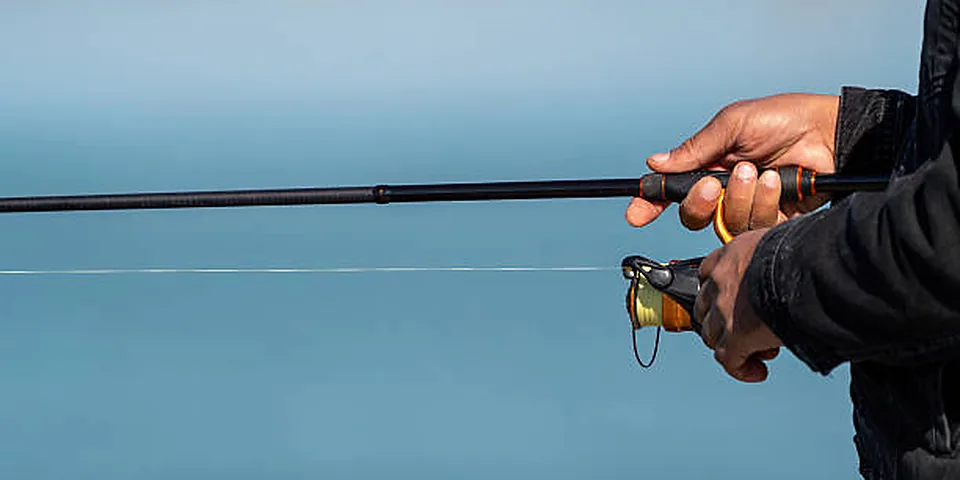
A small tackle box only works if it is built for one bank session rather than every fish you might ever catch. Most beginners load every compartment with mixed hooks, lures, and loose line, and the box ends up heavy, slow to search, and hard to close without crushing something. Fixing that starts with picking the right box for the job and packing it by retrieval order, not by what happens to fit.
What a Small Tackle Box Actually Costs in 2026
Price is a decent proxy for how much organization a box can support, and it varies a lot depending on whether you need a single-session pocket box or a system you will rebuild every week. Current retail pricing across major tackle retailers breaks down into three practical tiers.
| Box Type | Typical Price (2026) | Best For |
|---|---|---|
| Pocket/Stowaway single-tray box | $5–$15 | One rig, walk-and-fish sessions, backup box |
| Adjustable small double/three-tray box | $15–$30 | Standard bank kit with 1–2 backups |
| Waterproof/EDGE-style terminal box | $30–$60 | Frequent trips, saltwater/brackish exposure, heavier rotation |
| Multi-drawer rack system | $65–$190+ | Home base storage, not for carrying on the bank |
These figures reflect list prices at major retailers such as Academy Sports, Tacklewarehouse, and Fleet Farm as of 2026. A $180+ rack system is a home storage unit, not a bank box — buying one to “carry everything” is one of the more common overspending mistakes beginners make.
Match the Box to Your Fishing Plan (Selection Conditions)
Before buying or repacking a box, answer four questions that decide what actually needs to be inside it:
- What species or size of fish are you targeting?
- Are you using bait, lures, or both?
- Will you fish shallow water, open water, weeds, rocks, or wood?
- How often will you expect to change the presentation?
A small pond trip rarely needs extra lure colors, while a rocky or wooded bank usually justifies extra leaders, hooks, and line for snag replacement. The box should hold fishing adjustments only — not water, a phone, a license, or safety gear, which belong in a separate pack covered in the Fishing Gear for Beginners guide.
Common pitfall: buying the largest box available “to be safe.” A box that needs force to close is already overpacked, and a loose divider will let hooks and weights mix regardless of how many compartments it has.
Choose the Box Layout
Look for a box with dividers that lock into place, a secure latch, and enough depth for the tackle you actually use. A shallow box with adjustable compartments is usually easier to manage on a bank than a deep multi-tray box.
Before packing, check the latch, hinges, seals, and divider fit. Use the box in fixed zones so you always know where to reach:
- Front or top section: cutters, pliers, and the primary rig
- Middle sections: hooks, weights, bobbers, swivels, and snaps
- Side or larger sections: lures and prepared leaders
- Small closed section: spare line, hook covers, and replacement parts
- Separate waste container: broken line, used hooks, and damaged tackle
Build the Primary Rig Section
Pack for the presentation you expect to use first. A bait rig needs hooks, weights, a bobber, and depth connectors; a lure setup usually needs two or three lures covering different speeds or depths. Keep the primary rig closest to the opening, and store slip-bobber parts — stop, bead, float, and weight — together in one labeled compartment rather than scattered by size.
Do not group pieces just because they are small. Hooks, split shot, swivels, snaps, and beads all have different jobs, and mixing them lets points catch leaders or lets tiny connectors disappear into the wrong compartment. If a rig is already tied, a leader wallet or slotted piece of cardboard keeps the hook protected and the leader from wrapping around neighboring tackle.
Sort Hooks, Weights, and Bobbers by Use
Hooks should be separated by size and purpose, not piled together. Short labels — “small bait,” “worm,” “circle hook” — speed up decisions on the bank. Keep hook points covered inside a closed compartment, and move any hook that has touched mud, bait, or a fish into the used section instead of returning it to clean stock.
Common pitfall: treating the largest hook as the “safest” default. A hook too big for the bait or fish makes a light presentation look unnatural and can miss more strikes than it lands.
Weights are easy to overpack because they take almost no space. Carry a small range matched to depth, current, and casting distance, and keep split shot, egg sinkers, and other styles in separate compartments. Avoid storing loose split shot with hooks — it presses against points and can damage soft plastics. Store bobbers where hooks and pliers cannot crack them, and for a short trip, pick one primary depth system plus one backup rather than a full float collection.
Organize Lures by Fishing Job, Not Color
A compact bank box works best with lures sorted by role:
- One search lure for covering water
- One slower lure for a patient presentation
- One shallow option for weeds, shade, or visible cover
- One backup that solves a specific problem, such as wind or depth
Protect exposed treble hooks with covers or separate compartments — they catch line, fabric, and neighboring lures easily. Keep damaged or rusty hooks away from clean lures, and if a lure spins, fouls with weeds, or repeatedly snags, retire it from the active rotation rather than forcing it back in.
Short-Session Box vs. Heavy-Rotation Box
The real “short-term vs. long-term” decision for tackle storage isn’t about license periods — it’s about how many sessions a box has to survive before you rebuild it, and how much exposure to water and salt it takes.
| Use Pattern | Box Recommendation | Why |
|---|---|---|
| One bank session, light kit | Pocket/single-tray stowaway box ($5–$15) | Minimal weight, fast to search, easy to dry after one trip |
| Weekly bank fishing, mixed bait/lure | Adjustable small double-tray box ($15–$30) | Enough compartments for a primary rig plus 1–2 backups without bulk |
| Frequent trips, saltwater/brackish exposure, heavy rotation | Waterproof/EDGE-style box ($30–$60) | Corrosion resistance and tighter seals matter more with repeated wet/dry cycles |
| Full home tackle collection | Multi-drawer rack system ($65–$190+) | Storage only — rebuild the small bank box from this before every trip |
A box bought for occasional trips rarely needs the waterproof, corrosion-resistant tier; that upgrade pays off mainly for anglers fishing several times a week or in saltwater conditions.
Put Tools Near the Opening
Tools get used during almost every adjustment, so they should never be buried under backup tackle. Put a line cutter, compact pliers, and a hook-removal tool in the first compartment you open. Check before leaving that the cutter can cleanly cut the line you use, the pliers can grip small hooks and split shot, and blades or points have a cover.
Cutter cuts the line you’re using cleanly
Pliers grip small hooks and split shot without slipping
Hook-removal tool matches the fish and hook style
Blades and points have a cover or protected position
Tools are dry and free of salt, mud, or bait residue
Spare Line, Leaders, and the Wet-Tackle Rule
Carry only spare line that matches the reel and the most likely repair — one small spool or a few prepared leaders is usually enough. Label leaders with length and line type, and keep spare line away from hooks and lure points.
Common pitfall: dropping wet tackle straight back into a closed box. Water, bait residue, and mud cause rust, odors, and contaminated plastics if sealed in with clean stock.
Use a small sealable bag or rigid container for used hooks and leaders, wet lures or weights, bait-covered tools, and broken line. At home, empty that section, rinse tackle when appropriate, dry everything, and inspect it before returning it to clean storage — saltwater and brackish exposure need extra attention and faster restocking.
Restock Sequence After Every Trip
- Remove used and damaged items.
- Dry hooks, lures, weights, tools, and compartments.
- Replace bent, rusty, dull, or questionable parts.
- Refill the primary hook, weight, bobber, and lure sections.
- Confirm that spare line and leaders match the reel.
- Check labels and close every compartment.
- Return the box to the same storage spot for the next trip.
Verification Checklist Before Leaving for the Bank
Box matches the planned bait, lures, water, cover, and target fish
Primary hooks, weights, bobber parts, and lures are within easy reach
Hook points and treble hooks are covered or secured
Line cutters, pliers, and hook-removal tools are working
Spare line and prepared leaders match the reel
Wet, muddy, or damaged items have a separate container
Labels are readable and dividers stay locked in place
Box closes without pressure and the latch works
Water, phone, license, and safety items are packed separately
Official and Authoritative Sources
- Plano Official Store — Tackle Boxes — manufacturer pricing and specs for stowaway, tray, and EDGE waterproof lines
- Tackle Warehouse — Plano Fishing Storage — retail pricing and side-by-side comparison across box tiers