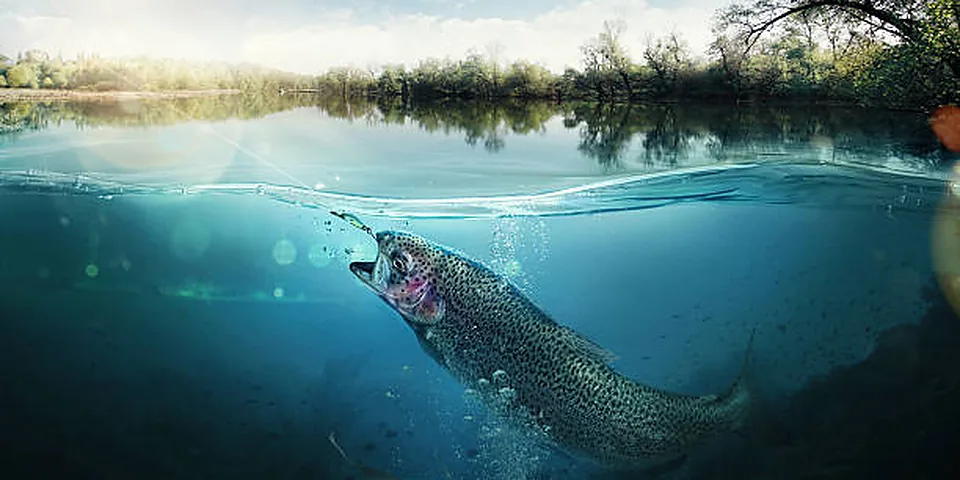
Crappie are usually the fish that convinces a new angler to keep fishing. They live in reservoirs, farm ponds, and slow river bends across most of the country, they bite small jigs and minnows without much finesse, and a school of them can turn a slow afternoon into a full cooler. The catch is that almost everything else about a first trip — the license you need, the length limit on the fish you keep, even which rod to buy — depends on the state and sometimes the specific lake, so the framework below is built around checking those specifics rather than guessing at them.
License Costs and Who Actually Needs One
Nearly every state requires anglers age 16 and up to hold a valid freshwater fishing license before casting into public water, though the age cutoff for free youth fishing runs as high as 18 in Alaska, Oklahoma, Indiana, Louisiana, and South Dakota, and as low as 9 in Hawaii. Residency status changes the price sharply — nonresident annual licenses commonly run 2 to 5 times the resident rate — so confirm which category applies before you buy.
| License type | Resident annual (2026) | Nonresident annual (2026) |
|---|---|---|
| Missouri | $12 | $51 |
| Florida (freshwater) | $17 | $47 |
| Georgia | $15 | $50 |
| Texas (all-water) | $40 | $68 |
| New York (freshwater) | $25 | $50 |
| California (sport fishing) | $64.54 | $174.14 |
These figures come from state agency price lists compiled for 2026 and illustrate the spread rather than every state — most resident annual licenses fall between $15 and $40, and most nonresident annual licenses land between $45 and $90, with California and a handful of other states priced well above that band.
Most states also run license-free weekends each year — for example, Michigan’s are set for Feb. 14–15 and June 13–14, 2026, and Maryland waives its requirement on the first two Saturdays of June plus July 4 — but the fishing regulations themselves (size limits, creel limits, gear restrictions) stay in force on those days. Start with the U.S. Fishing License Guide to identify your state’s agency, then confirm pricing on the Fishing License Fees by State page before you plan the trip.
Common pitfall: a “free fishing day” waives the license requirement, not the season, size limit, or creel limit. Anglers who assume the whole rulebook is suspended on that date risk a citation even though they broke no license law.
Short-Term License vs Annual License
A beginner testing crappie fishing for the first time rarely needs to commit to a full year. Most states sell 1-day, 3-day, and sometimes 7-day licenses specifically for occasional anglers, and the per-day cost of a short-term product is usually higher than an annual license prorated by day — but still cheaper in total if you’re only fishing once or twice this season.
| Trip pattern | Best license choice | Typical 2026 cost |
|---|---|---|
| One trip, testing the hobby | Short-term (1-day) | ~$10–$25 depending on residency |
| A weekend trip or two | Short-term (3-day) | ~$15–$50 depending on residency |
| Fishing more than 3–4 times a year | Resident annual | ~$15–$40 (varies by state) |
| Fishing multiple states or every season | Annual + lifetime option where offered | Lifetime licenses range roughly $250–$1,140 by state |
If you already know crappie fishing will become a regular habit, the annual license almost always pays for itself after three or four outings, and some states also sell a lifetime license that removes the renewal question entirely, though the upfront cost is substantial. If you’re unsure, buy the short-term product for the first trip and decide afterward — it removes any risk of paying for a year of access you don’t use.
Where to Find Crappie
Crappie relate to cover and depth changes far more than open water. Productive spots typically include brush piles, fallen trees and standing timber, dock posts, creek channels and submerged points, and weed edges near deeper water. Location shifts with water temperature, light, wind, and recent fishing pressure, so a spot that produced fish in April can go quiet by July — plan on testing two or three nearby options rather than committing to one all day.
From the bank, prioritize places you can reach cover without trespassing or wading into unsafe water: points, bridge approaches, public docks, riprap, and creek mouths all work. Keep your first casts short, since crappie moving shallow are often close to the bank and a long cast can sail past them. From a boat or kayak, a fish finder helps locate cover and bait, but the rod still has to confirm whether a mark is an active fish — stay clear of navigation lanes and posted restricted areas regardless of how good the spot looks on sonar.
Beginner Gear: What to Buy and Why
Crappie do not require heavy or expensive tackle, and overspending on a first setup is one of the more common ways beginners talk themselves out of the hobby. A light or ultralight spinning combo, priced from about $40 to $75 for a durable entry-level model such as the Ugly Stik GX2 ($50) or a Pflueger Monarch combo ($63), covers the casting and bite-detection needs of a first trip without any compromise that would hold back results.
| Item | Beginner choice | Approx. 2026 price | Why it works |
|---|---|---|---|
| Rod/reel combo | 6–7 ft light/ultralight spinning | $40–$75 | Casts small lures, transmits light bites |
| Upgrade combo | Mid-range spinning combo | ~$100–$140 | Smoother drag, better line management for regular use |
| Line | 4- to 8-lb monofilament | $5–$10 per spool | Lets small baits move naturally |
| Crappie jigs | 3-pack to 50-pack tubes | $2–$8 per pack | Cheap enough to lose several without hesitation |
| Bobber and hooks | Small fixed/slip bobber, small hooks | $5–$10 total | Keeps bait at a chosen depth |
A budget combo in the $40–$75 range is the right call for someone testing whether they enjoy crappie fishing; a $100–$140 combo with a better reel and drag system is worth the upgrade once you’re fishing regularly or targeting bigger water where longer fights and more casts wear cheaper gear out faster. The Best Fishing Rods for Beginners guide and Fishing Gear for Beginners checklist cover the supporting items — forceps, a measuring tool, spare line — that are easy to forget on a first trip.
Bait and Lures
Small jigs are the most common starting bait: a light jig head paired with a compact soft-plastic body in white, chartreuse, black, pink, or a natural baitfish color, sold in packs typically priced $2 to $8. Cast around cover, let the jig settle to a controlled depth, and retrieve slowly; if nothing hits, change one variable at a time — depth first, then speed, then color.
Live minnows work well when crappie want natural bait rather than an artificial presentation. Use a small hook with just enough weight to hold the bait near the target depth. Before buying minnows, confirm the state’s bait rules — some restrict which species can be used, transported, or released, and moving live fish between waters without explicit permission is illegal in most states.
Bobber fishing makes depth changes visible and is the easiest way for a beginner to locate the strike zone. Start with bait 2 to 4 feet down in shallow cover, then move deeper if there’s no response. Watch the line, not just the bobber — a sideways slide or sudden slack after the bobber dips often signals a bite that a distracted angler misses.
Seasonal Pattern
Crappie behavior shifts by season, though exact timing depends on latitude, elevation, and water temperature rather than the calendar alone.
- Spring — fish move toward shallow cover as water warms; check coves, creek arms, and shoreline brush, and expect quick movement in and out of a spot.
- Summer — warm water pushes fish to deeper structure or shade; early morning, evening, and cloudy periods tend to be more productive, and a vertical presentation works well over submerged cover.
- Fall — cooling water increases activity and concentrates baitfish near points, creek channels, and transitional cover.
- Winter — cold water slows everything down; fish hold deeper and respond better to a small bait moved slowly, but leave exposed water if wind or cold makes conditions unsafe.
Handling and Harvest Rules
Minimum length and daily creel limits vary by state, species, and sometimes by individual lake, and named waters frequently carry stricter rules than the statewide default. Louisiana’s 2026 regulations, for example, set a statewide daily creel limit of 50 crappie with no minimum length on most waters, but designated areas such as the Saline-Larto Complex carry a 10-inch minimum length and a 25-fish daily limit, and the Atchafalaya Basin’s new 2026 rule sets an 8-inch minimum in its designated zone. Mississippi’s 2026 update added an 11-inch minimum length and a 20-fish daily creel specifically at Horseshoe Lake, separate from the statewide rule.
| Water type | Typical rule pattern | What to verify |
|---|---|---|
| Statewide default | Often no minimum length, higher daily creel (e.g., 50 fish) | Confirm your state’s baseline before assuming any limit |
| Named lake or reservoir | Often a minimum length (8–11 inches common) and a lower creel (20–30 fish) | Check the lake-specific regulation page, not just the statewide summary |
| Special management zone | May add reporting requirements or a lower possession limit | Look for a tag, stamp, or report card requirement |
Common pitfall: treating the statewide rule as universal. A lake-specific regulation can override the general limit, and it’s the angler’s responsibility to know which rule applies to the water they’re standing on.
Confirm the current minimum length and creel before keeping fish, measure on a flat surface with the mouth closed if that’s the specified method, and check whether a report card, tag, or stamp applies. The Fishing License Tags and Report Cards guide explains when a general license is only part of the compliance requirement, and When Can You Fish Without a License? covers private-pond and exemption edge cases worth verifying against the official state wording.
First-Trip Checklist
- Current fishing license confirmed for your residency status, or a verified exemption (age, private water, free fishing day)
- Official state regulation page saved or bookmarked, including any lake-specific rule
- Light or ultralight spinning combo ($40–$140 depending on how often you’ll fish)
- 4- to 8-lb line and a few packs of small crappie jigs
- Bobber, small hooks, and spare weights
- Live bait only if the species and transport are confirmed legal
- Pliers or forceps and a measuring tool
- Small landing net
- Cooler or livewell if you plan to keep legal fish
- Safe, confirmed public access point
Common Beginner Mistakes
- Fishing one depth all day. Crappie shift depth quickly; a bobber makes it cheap and fast to test several depths without rebuilding the rig.
- Overbuying tackle before the first trip. A $40–$75 combo is enough to evaluate the hobby; upgrade only after you know you’ll fish regularly.
- Ignoring access rules. A shoreline can look public while the parking lot, dock, or launch attached to it is private — confirm access before crossing a gate.
- Assuming a statewide rule covers every lake. As the Louisiana and Mississippi 2026 updates show, named waters frequently carry their own length and creel limits.
- Keeping fish before checking the limit. A productive school makes it easy to exceed a daily creel; measure and confirm the rule before the cooler fills up.