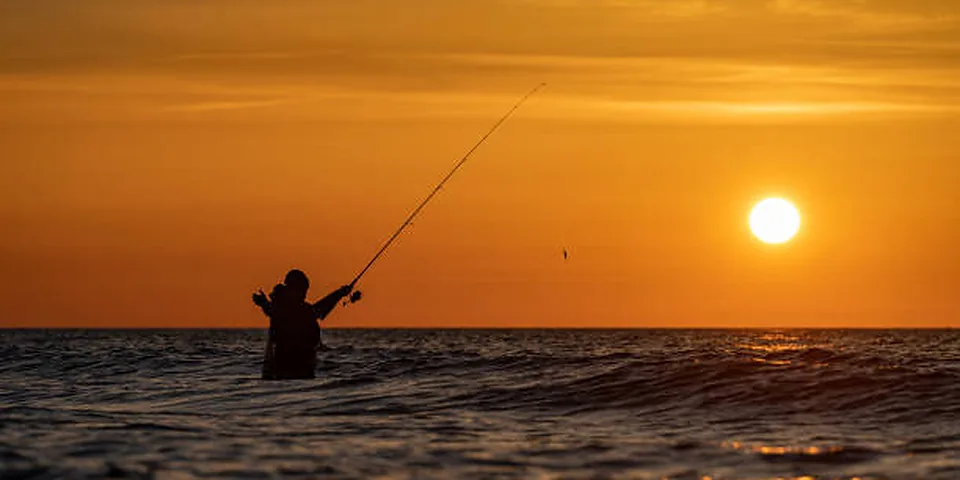
A charter trip can involve several people doing different kinds of work around the same fish. The customer may need a personal fishing license. The captain may need vessel, business, or passenger-for-hire credentials. A guide may need a guide license or endorsement. A deckhand may bait hooks, manage lines, and land fish without being the angler. A shore assistant may manage access and equipment without fishing at all.
Those roles should not be collapsed into one question. A customer’s license, an operator’s credentials, a charter permit, and a private access agreement can all be separate. Rules depend on the state, water, species, method, vessel, and actions.
Quick Answer
Before a charter or shore-guided trip:
- Check whether each customer needs a personal state fishing license or is covered by a current charter or vessel license.
- Confirm the captain’s boating, commercial, passenger-for-hire, and operator credentials separately from fishing licenses.
- Ask whether the guide needs a state guide license, outfitter registration, endorsement, or local credential.
- Identify whether the deckhand or shore assistant will only support customers or will cast, hold, control, set, reel, or keep a line for personal fishing.
- Confirm the charter business license, vessel permit, landing permit, access agreement, and insurance requirements.
- Verify freshwater, saltwater, tidal, brackish, boundary-water, and cross-jurisdiction rules for every part of the route.
- Ask who is responsible for tags, report cards, harvest records, trip logs, and any commercial or vessel reporting.
- Check youth guest rules separately. A child’s exemption does not automatically cover an adult helper, guide, captain, or crew member.
- Treat a booking confirmation, marina pass, private dock permission, or safety waiver as access or contract paperwork, not proof of a fishing license.
- Get the operator’s answer in writing before the trip, then compare it with the current state agency rule.
Customer License vs. Operator Duties
The Charter Fishing Passenger License Rules guide addresses whether a passenger needs a personal license. This article focuses on the operator side: list the customer, captain, guide, deckhand, shore assistant, and charter business, then write down each person’s actual duties.
Guide, Captain, Deckhand, and Shore Assistant Roles
Captain
A captain’s role usually centers on operating the vessel, carrying passengers, and following navigation and safety requirements. The captain may need vessel registration, commercial-use approval, a passenger-for-hire credential, local harbor permission, or a permit for a particular fishery. These are separate from a state fishing license, and some waters add federal or tribal requirements.
Operating a boat does not automatically mean the captain is fishing. If the captain takes a rod, casts, maintains a line, sets a hook, or pursues a personal catch, check the captain’s individual fishing status separately. A captain who only steers, anchors, watches navigation, and responds to safety needs may have a different answer.
Guide
A guide may direct the fishing activity without personally taking a catch. The guide can choose the location, explain the method, demonstrate a cast, adjust tackle, and tell customers when to retrieve. Some states require a guide license, outfitter registration, guide card, or similar credential even when customers hold their own licenses.
The guide’s authority to help customers does not automatically create permission to keep fish for personal use. If the guide casts or controls a line to catch a fish for the customer, ask how the state defines that action. If the guide fishes a separate line, the guide may be treated as an angler as well as a guide.
Deckhand
A deckhand often performs the most line-related work. A deckhand may bait hooks, replace lures, untangle a customer’s line, move a rod into a holder, net a fish, gaff a legal harvest, unhook a fish, or store a customer’s catch.
Those support actions are different from maintaining a personal line in the water. However, a state may describe fishing broadly enough that casting, holding a deployed line, setting the hook, or retrieving a rig can matter. The operator should describe the complete sequence to the agency if the deckhand sometimes takes over during a bite.
Shore assistant
A shore assistant may work at a private dock, beach, pier, marina, lodge, or launch area. The assistant can check reservations, confirm waivers, issue access instructions, carry gear, prepare bait, supervise a youth group, and explain where the party may fish.
Private access permission belongs to the property owner or manager. It does not replace the customer’s state license or authorize the assistant to fish. If the assistant casts, watches a personal rod, or handles a line to take fish for the business, ask for a role-specific answer.
Charter and Vessel Permits Are Separate Documents
A charter operator can hold documents that cover the business or vessel without covering every personal fishing action. Depending on the location, the business may need a commercial charter permit, vessel registration, passenger-for-hire approval, landing or launch permit, guide registration, insurance, or a regulated-fishery permit. These documents address whether the business can sell trips, carry passengers, use a named facility, target a species, or submit a commercial report.
They may not answer whether the customer, guide, or deckhand is personally licensed to fish. Ask for the document name, issuing authority, covered vessel or business, expiration date, water, species, and activity. “License included” is incomplete unless the operator explains who it covers.
Who Casts, Holds, and Controls the Line?
The most useful question for crew roles is: who is actively attempting to catch fish? Check these actions for every person who may touch a rod or line:
- Casting the bait or lure
- Holding a rod while a line is deployed
- Setting the hook
- Reeling in a fish
- Keeping a separate line in the water for a personal catch
There is no single nationwide rule that turns every assistance action into fishing. A deckhand who nets a customer’s fish is performing a crew duty. A guide who keeps a separate rod in use for a personal catch is easier to identify as an angler. The gray area is the handoff: a crew member may cast for a child, clear a tangle, set a hook, or reel after a customer calls for help.
Write down who cast, held the rod before the bite, set the hook, reeled, landed the fish, and will keep it. If the rule is unclear, send that sequence to the state agency rather than asking only whether a deckhand may “help.”
Freshwater, Saltwater, and Boundary Waters
Charter businesses may work on more than one type of water. An inland lake, tidal river, estuary, coast, or brackish channel can use a different license or credential system.
Before the trip, confirm:
- The exact water name, access point, and water classification
- Whether the route crosses a state or jurisdictional boundary
- Whether the customer’s license and vessel permit cover the full route
- Whether a species endorsement, stamp, tag, or report card is required
Use Freshwater vs Saltwater Fishing License as a planning reference. For a lake, river, or bay that forms a state line, review Fishing License Reciprocity for Border Waters. Do not assume a vessel can cross a boundary while every person, species, and license remains covered.
Private Access and Shore-Guided Trips
A shore-guided trip may use a private beach, club lake, ranch pond, resort dock, marina, or leased shoreline. Permission to bring customers onto the property has a separate purpose from state fishing law.
Confirm who controls:
- The road, gate, parking area, dock, bank, or launch
- Hours, guest limits, and assistant access
- Wading, bait, harvest, and fish-transport rules
- Whether the water is isolated or connected to public water
The Private Property Fishing License Rules guide helps separate land permission from licensing. A shore assistant should not tell customers that a private dock, guide package, or stocked pond automatically makes the trip license-free unless the current state rule clearly says so.
Youth Guests and Family Groups
Youth guests create two separate questions. First, does the child need a license or qualify for an age-based exemption? Second, which adult is actively helping the child fish?
A guide or deckhand may provide safety instructions, bait a hook, or net a fish. If the adult casts, maintains the line, sets the hook, or reels, check that adult’s status separately. The child’s exemption does not automatically extend to a guide, captain, parent, or shore assistant.
Ask whether the child will cast and reel independently, whether a crew member may take over during a bite, and whether a licensed adult must accompany the child. For broader age questions, see Fishing License Rules for Kids and Seniors.
Harvest Reporting and Catch Records
Harvest paperwork can belong to different people at the same time. A customer may have a personal tag or report card, while the guide, captain, or business may have separate trip, landing, or commercial records.
Before a fish is kept, identify:
- Who carries the tag, stamp, validation, or report card
- Who measures and records the catch
- Whether released fish must be recorded
- Who submits the report and when it is due
The Fishing License Tags and Report Cards guide can help organize the paperwork. A captain filling out a form does not necessarily transfer the customer’s legal responsibility, so put the reporting handoff in the trip instructions.
What to Confirm Before the Trip
An operator can prevent confusion with one written pre-trip message naming the water, date, vessel or shore location, crew, target species, and line-related duties.
The message should answer:
- Do customers need individual licenses, or does a named charter license cover them?
- What credentials and permits do the captain, guide, business, and vessel hold?
- May deckhands or shore assistants cast, set hooks, or reel for customers?
- Are freshwater, saltwater, private-water, or boundary-water rules involved?
- What tags, report cards, trip logs, or commercial harvest reports apply?
- What changes for a youth, senior, visitor, or nonresident?
- What access or private-property rule applies?
Keep the licenses, permits, credentials, access permission, and customer instructions together. Repeat the review if the route or crew changes.
FAQ
Does a charter boat license cover the captain’s personal fishing license?
Not automatically. A charter or vessel permit may authorize the business or boat to operate, while the captain’s personal fishing activity is a separate question. Ask what the document covers and whether the captain will fish.
Can a deckhand net a customer’s fish without a fishing license?
Netting a customer’s fish may be treated as assistance rather than personal fishing, but state wording controls. Confirm the rule if the deckhand also casts, holds a deployed line, sets the hook, or reels.
Who reports a fish caught on a charter?
It depends on the tag, report card, vessel permit, species, and state rule. The customer may have a personal reporting duty while the captain or business has a separate trip or commercial record.
Source Checklist
Before operating or joining a charter or shore-guided trip, verify:
- Current state fishing license rule for the exact water, date, species, and method
- Customer license, exemption, resident status, and age requirements
- Captain boating, passenger-for-hire, commercial, and vessel credentials
- Guide license, outfitter registration, endorsement, or local credential
- Deckhand and shore-assistant duties involving rods, lines, hooks, and harvest
- Charter business registration, vessel, landing, and insurance permits
- Freshwater, saltwater, tidal, brackish, tribal, and boundary-water rules
- Private shoreline, dock, marina, beach, or launch permission
- Youth guest, parent assistance, and adult helper rules
- Species tags, stamps, report cards, trip logs, and commercial harvest reports
- Who measures, tags, retains, transports, and reports each catch
- Written confirmation of what the operator’s phrase “license included” actually covers
Save the official rule, permit details, crew role list, access permission, and customer instructions with the trip record. Keep any role-specific agency answer with the question.
Related Reading
- Charter Fishing Passenger License Rules
- U.S. Fishing License Guide
- Freshwater vs Saltwater Fishing License
- Fishing License Reciprocity for Border Waters
- Private Property Fishing License Rules
- Fishing License Tags and Report Cards
CTA
Before the next trip, create a one-page role sheet with the customer’s license question, the captain’s credentials, the guide’s authority, the deckhand’s line duties, the shore assistant’s access role, and the harvest-reporting handoff. Then confirm the current state and water rules in writing. That simple step keeps a passenger license from being mistaken for an operator permit or a crew member’s fishing authorization.