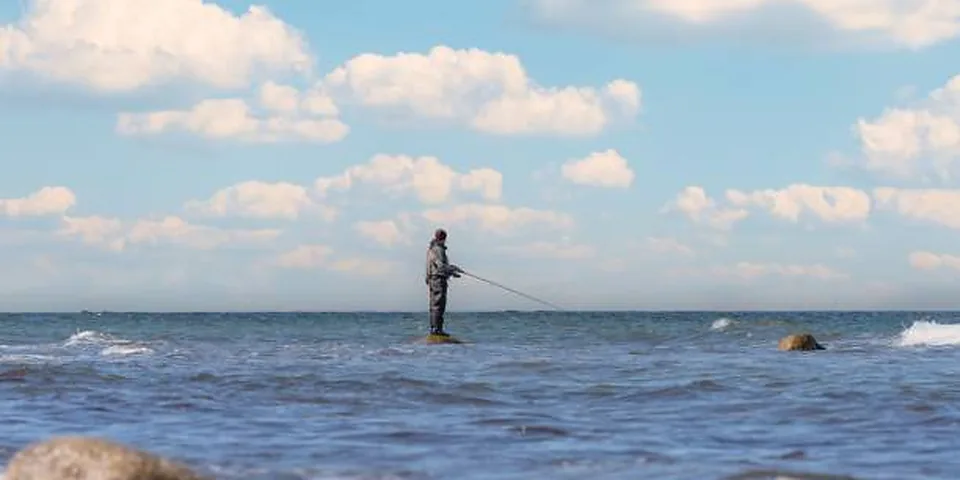
A community fishing event can look simple from the shoreline, but several rule systems may apply at once. The event may have registration, a park reservation, an organizer permit, a state fishing license, species limits, and a report-card requirement. A free meal, donated tackle, or no-cost entry does not answer every legal question.
Separate the event format from the fishing privilege. A community fishing day, clinic, derby, park event, and state free fishing day can overlap, but they are not automatically the same thing. The answer depends on the state, water, date, time, venue, participant, and activity.
Quick Answer
For a community fishing event, check these items separately:
- Event type: community fishing day, teaching clinic, derby, park event, or state-designated free fishing day.
- Personal license: each active angler needs a license or documented exemption unless the state says otherwise.
- Organizer permit: the host may need approval for the event, contest, species, prize, or fish handling.
- Registration: signing up may identify the participant without creating a state license.
- Access: the bank, dock, park, launch, or private venue must be open on the listed date and time.
- Water type: freshwater, saltwater, tidal, brackish, or connected waters can require different products.
- Species and harvest: size limits, bag limits, release rules, tags, and report cards may apply.
- Participant role: fishing, teaching, volunteering, helping, observing, and supervising can be treated differently.
Do not assume that a free event is a free fishing day. A city or nonprofit can host a no-cost event on an ordinary date while the state still requires licenses. Conversely, a state free fishing day may waive a base license while leaving access, species, safety, and reporting rules in place.
Community Fishing Day, Clinic, Derby, Park Event, or Free Fishing Day?
The name on the flyer is a useful starting point, not the complete rule. Use the event’s purpose and the legal notices to identify what kind of activity is actually planned.
| Event type | Main purpose | License question | Other questions to ask |
|---|---|---|---|
| Community fishing day | Local participation | Does each active angler need a license or exemption? | Is this a state program or only local sponsorship? |
| Fishing clinic | Instruction | Is the person only learning, or actually fishing? | Are helpers, waivers, and supervision covered? |
| Fishing derby | Scoring or prizes | Do competitors need personal licenses? | Is a contest permit, species approval, or release plan required? |
| Park event | Managed public venue | Does the park change the state license rule? | Are hours, reservations, parking, and shoreline zones active? |
| Free fishing day | State license waiver | What does the waiver cover? | Do special species, report cards, access fees, and local rules remain? |
One event can fit more than one description. Each layer still needs its own check.
Start with the state’s free-day notice when the event is advertised as license-free. The Free Fishing Days by State guide is a planning reference, but the current state announcement controls the date, eligible anglers, water, and remaining restrictions.
Organizer Permit vs. Personal Fishing License
An organizer permit and a personal license answer different questions. The permit is generally tied to the host, event, location, date, format, or species. The fishing license is generally tied to the individual who is fishing.
| Document | Usually establishes | Does not automatically establish |
|---|---|---|
| Organizer event permit | Host may conduct the event | Every participant is personally licensed |
| Personal fishing license | Named person may fish | Person is registered or may enter the venue |
| Event registration | Person is on the roster | Person has a state fishing license |
| Park or venue reservation | Group has scheduled site use | Fishing or harvest is legal everywhere |
| Species tag or report card | Named reporting duty is handled | Base license, event permit, or venue permission is covered |
A host may need to identify the water, date, hours, harvest or release plan, and safety procedures. A derby may require extra approval because of prizes, livewells, a weigh-in, or a large group.
Participants should read the event instructions, but should not treat a wristband, entry number, waiver, or roster as a license unless the state says so. The U.S. Fishing License Guide can help identify the state agency and license questions.
Youth, Families, Volunteers, and Observers
The person holding a fishing rod matters more than the person who paid for the group. Check each role against the state rule and the event’s own terms.
Youth and family groups
A child may qualify for an age-based exemption, youth license, or special event arrangement. The answer can depend on age on the event date, residency, water type, species, and activity. A child may still need registration, a waiver, adult supervision, or a report card.
Family registration does not usually turn one adult license into a household license. If two adults and two children each cast, reel, or control a rod, check all four people. The Fishing License Rules for Kids and Seniors guide provides a broader age checklist.
Volunteers and instructors
A volunteer who checks people in, distributes bait, demonstrates knots, or takes photographs may not be fishing. A volunteer who casts, controls a rod, sets a hook, reels, or keeps a personal line in the water may be an active angler.
Ask how instructors and helpers are classified. Safety training and a waiver do not replace a license when the person is legally fishing.
Observers and nonfishing companions
An observer who only watches may not need a fishing license, but the person may still need registration, a park pass, or a waiver. A parent standing beside a child is different from a parent who takes the rod and casts.
When a role changes during the event, check it again. A photographer can become an active angler by taking a turn with the rod.
Public Access, Registration, and Private Venues
Public access and fishing permission are separate from event registration. A public park may allow the group to enter but restrict fishing to a pier, bank section, or posted time. A public lake may have private shoreline parcels, closed docks, or a gate that is locked outside park hours.
For a public park event, confirm:
- Exact park, pond, lake, river reach, pier, or shoreline
- Event date, check-in, and fishing times
- Park hours and seasonal closures
- Parking, day-use, launch, reservation, and group fees
- Designated fishing area and prohibited zones
- Whether bait, live fish, boats, wading, or night activity are allowed
For a private venue, confirm who owns or manages the water and what the access fee covers. A private lake operator may sell entry, rental gear, stocked-fish access, or a harvest package. That payment may not replace a state license or authorize fishing in a connected public channel.
Use the Private Property Fishing License Rules guide to keep land permission, water access, and state licensing separate. A host should give exact entrance and parking instructions rather than assuming that a map pin proves public access.
Freshwater, Saltwater, Species, and Harvest Rules
An event’s friendly format does not change the water classification. A pond or inland lake is commonly freshwater, while a coastal shoreline, tidal creek, bay, estuary, or brackish canal may involve saltwater rules or a separate product.
Before the event, identify:
- The official water name and managing agency
- Freshwater, saltwater, tidal, or brackish status
- Boundary or connected-water issues
- The target species and any protected or closed species
- Minimum size, slot, daily bag, possession, and method rules
- Whether catch-and-release is required or optional
- Any tag, stamp, validation, harvest card, or report card
An organizer’s score sheet is not automatically a personal report card. A derby may collect measurements for prizes while each angler still has a separate state reporting duty. Catch-and-release may reduce possession concerns but does not necessarily remove license or species documentation requirements.
Review Fishing License Tags and Report Cards when the event targets a managed species or records catches. For water-type questions, use Freshwater vs Saltwater Fishing License as a starting point, then confirm the exact state and water rule.
Event Date and Time Matter
The event date is part of the legal description. A state free fishing day may apply only to named calendar dates, and a permit may cover only approved hours.
Confirm:
- The official date and rain date
- Check-in, instruction, fishing, weigh-in, and release times
- Whether the free-day waiver covers the full date or only listed hours
- Park gates, parking windows, and launch availability
- Sunrise, sunset, night-fishing, or safety restrictions
- Whether early arrival or late departure falls outside the event approval
Do not assume that arriving early creates event coverage or that staying late is harmless. A license can be valid while the park, permit, or event area is closed.
Common Mistakes
Avoid these recurring problems:
- Treating a local no-cost event as a state free fishing day.
- Assuming event registration or a wristband replaces a personal license.
- Assuming the organizer’s permit covers every angler and every species.
- Counting a parent as an observer when the parent actually fishes.
- Assuming a youth exemption also removes tags, report cards, or event registration.
- Treating a public park, private dock, or paid venue as interchangeable access.
- Using a freshwater license at a tidal or saltwater event without checking.
- Forgetting that a catch-and-release derby can still regulate the act of fishing.
- Ignoring the exact event date, rain date, check-in time, or park closing time.
- Confusing the organizer’s results report with each angler’s personal reporting duty.
FAQ
Does a community fishing day always mean no license is required?
No. It may be a local event on an ordinary date. Check whether the state has published a license waiver and what it covers.
Does a fishing clinic require licenses?
It depends on the activity and state rule. Watching a demonstration is different from casting, controlling a rod, or catching a fish.
Does a derby permit cover participants?
Usually, the permit covers the organizer and event conditions. Each active angler should verify a personal license or exemption, species paperwork, and access.
Can a family use one adult’s license?
Usually not when several people fish. Check each child and each adult who casts or controls a rod.
Are volunteers required to have fishing licenses?
Not necessarily. A support volunteer may not be fishing. A volunteer who casts, reels, or controls a line should be checked as an active angler.
Does a free fishing day remove species and report-card rules?
Not automatically. A free day may waive a base license while leaving special species, harvest, report cards, access, and safety rules in effect.
Source Checklist
Before attending or organizing the event, verify:
- Current state license or exemption rule
- Published free fishing day notice, if one is claimed
- Organizer permit, contest approval, or special event conditions
- Personal registration and check-in requirements
- Exact water name, water type, and managing agency
- Public access, private-property permission, park hours, and parking
- Event date, rain date, check-in time, fishing hours, and closing time
- Youth, family, volunteer, instructor, and observer roles
- Species, size, bag, method, and catch-and-release rules
- Tags, stamps, validations, harvest cards, and report cards
- Weigh-in, photo, measurement, release, mortality, and sanitation instructions
- Personal and organizer reporting deadlines
Related Reading
- Free Fishing Days by State
- Fishing License Rules for Kids and Seniors
- U.S. Fishing License Guide
- Private Property Fishing License Rules
- Fishing License Tags and Report Cards
- Freshwater vs Saltwater Fishing License
- Fishing License Fines and Penalties
CTA
Before the event begins, write four lines for every active angler: license or exemption, event registration, exact access point, and species or reporting requirements. Then compare the date and hours with the current state and venue notices. That short check helps families, volunteers, and organizers enjoy the day without confusing a community invitation with complete fishing authorization.