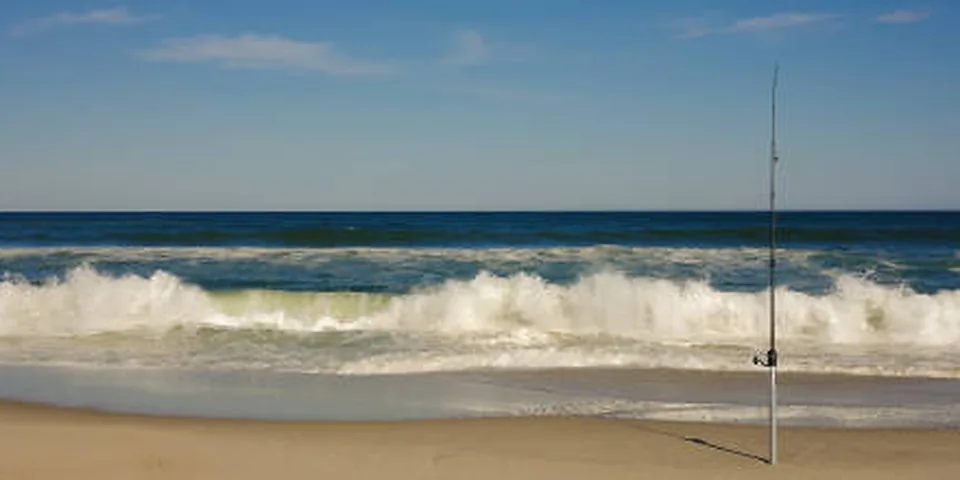
A public beach or shoreline can make fishing easy to reach, but public access does not automatically make fishing license-free. The state usually controls the license, seasons, species limits, tags, report cards, and methods. A city, county, park, beach authority, or resort may control entry, parking, hours, designated fishing areas, and local safety rules.
Quick Answer
For most public beach and shoreline fishing trips:
- A state fishing license is required unless a specific exemption, free fishing day, or special program applies.
- A public beach access pass, parking receipt, or park permit usually does not replace a fishing license.
- Freshwater, saltwater, tidal, and brackish water can require different licenses.
- Fishing from surf, a pier, a jetty, a public bank, or a resort shoreline can involve different access and safety rules.
- Age, residency, military status, disability, and senior exemptions depend on the state and the exact license product.
- Managed species may require tags, stamps, harvest cards, or report cards.
- Free fishing days may waive a base license while leaving parking, entry, species, gear, and closed-area rules in place.
- Night fishing, swimming zones, protected habitat, jetties, dunes, and other closed areas can limit where and when you fish.
- A license from one state does not automatically cover the other side of a border or a shared water.
Before casting, verify the license rule, water classification, legal access point, and current shoreline notice.
Public Beach Access Does Not Mean License-Free Fishing
Public access answers the entry question, not the fishing-license question. A city beach may be open for swimming, walking, and sunbathing while the state still requires anglers to hold a fishing license. The same principle applies to a public riverbank, county shoreline, lake beach, or coastal trail.
Some locations have a posted fishing area, but the sign may cover only where fishing is allowed. A beach parking pass may authorize a vehicle to use a lot, but it does not create a state fishing privilege.
Keep these permissions separate: a state license covers fishing; a species stamp, tag, or report card covers a named species or harvest report; a city or county pass covers entry; a parking permit covers a vehicle; and a pier, marina, resort, or private-property payment covers facility or land access. Several can be required on one trip. The U.S. Fishing License Guide helps identify the state agency and license product.
Identify Freshwater, Saltwater, Tidal, or Brackish Water
The word beach does not identify the license category. A sandy shoreline beside an inland reservoir is different from an ocean beach. A river mouth, tidal creek, lagoon, canal, or estuary may be classified differently from both nearby freshwater and open saltwater.
Check the official water description before buying:
- Freshwater beach or bank: Often covered by an inland or freshwater license, subject to state exceptions.
- Ocean beach: Often covered by a saltwater or coastal license, though some states use a combined license.
- Tidal shoreline: May follow saltwater rules even when the water reaches far inland.
- Brackish or estuarine water: May require a specific license or boundary determination.
- Connected canal or river: The classification may depend on a legal line, not appearance.
Do not assume that a freshwater license covers every shoreline inside a coastal city. Do not assume that a saltwater license covers an inland lake just because the lake has a beach. Use the Freshwater vs Saltwater Fishing License page for the basic distinction, then check the state’s water-specific wording.
Classification can affect gear, seasons, limits, and reporting. Near a river mouth, confirm the state’s line.
State License, Beach Permit, and Parking Permit Are Different
State fish and wildlife agencies regulate fishing. Local governments and park managers regulate the place. That division can produce several rules at one shoreline:
The state agency may decide the license or exemption, resident status, age category, seasons, limits, legal methods, tags, report cards, and harvest rules. The city, county, park, or beach manager may decide hours, designated fishing zones, swimming separation, parking, entry, vehicle use, dogs, fires, camping, events, and temporary closures. A pier, marina, or resort operator may add admission, reservations, gear, cleaning, lighting, and guest rules.
A parking permit proves vehicle access and a park pass may prove entry. Neither is proof of a state fishing license unless the state explicitly says so.
Surf, Pier, Jetty, and Shoreline Fishing
The fishing structure matters because access, hazards, wildlife protection, and crowd rules can change from one spot to the next.
Surf fishing
Surf fishing means casting from the beach into breaking water. Check swimming and surfing zones, seasonal closures, vehicle restrictions, dunes, nesting areas, and the marked fishing section.
Pier fishing
A public pier may charge admission, require a separate pass, restrict gear, or close during lightning, high surf, repairs, or events. Its access fee remains separate from the state license. The Pier Fishing License Exemption article explains why pier exceptions must be checked carefully.
Jetty or breakwater fishing
Jetties and breakwaters bring wave, slipping, and fall hazards. A manager may close them during high surf or prohibit fishing beyond a gate or warning sign. Wear suitable footwear, keep away from the edge, and check conditions before entering.
Shoreline, bank, or rock fishing
A public shoreline may include a bank, seawall, rocks, bridge approach, or trail. Confirm that fishing is allowed from that exact surface. A public road or water view does not automatically create a legal place to stand, and a beach may end at private property, a marina, a military area, or protected habitat.
Free Fishing Days
Free fishing days can be useful for a first beach trip, but they are limited exceptions rather than a general promise that every public shoreline is free to fish. Read the official announcement for the exact date, water type, and eligible people.
Confirm whether the free day covers:
- Residents, nonresidents, or both
- Freshwater, saltwater, or named waters
- Shoreline fishing, pier fishing, or only selected events
- Trout, salmon, shellfish, or other special species
- Tags, stamps, report cards, or harvest reporting
- Private beaches, resorts, charter operations, or pay facilities
- Parking, entrance, pier, launch, or reservation charges
A free day may waive only the base license while the state controls species and safety restrictions. See Free Fishing Days by State.
Private Beaches, Resorts, and Guest Access
A beach can be open to resort guests without being public property. It can also be physically accessible while the landowner restricts entry, fishing, parking, or after-hours use. The fishing license and land permission remain separate.
Before fishing at a private beach, resort, campground, club, or gated shoreline, ask whether the operator allows fishing, limits access to guests or permit holders, charges a day-use or facility fee, requires catch-and-release, restricts gear, or sets quiet hours, night closures, swimming zones, or wildlife buffers. Confirm the state license separately.
A resort fee may pay for access to the property, not for the state license. Conversely, state permission to fish does not authorize crossing private land. The Private Property Fishing License Rules guide covers the difference between land permission and licensing.
Age, Residency, Tags, and Report Cards
The person holding the rod is usually the person whose age, residency, and license status matter. A parent buying a license for a child does not automatically cover the child’s fishing activity.
Check each angler’s age, resident or nonresident status, freshwater or saltwater license, youth, senior, disability, or military exemption, identification, and species paperwork. Confirm whether a report is required even when a fish is released.
Residency follows the state’s legal definition, not simply a hotel, rental, beach house, college, or resort address. A visitor may need a nonresident license.
Tags and report cards can apply to specific species or regions. A license may permit fishing while a separate tag controls the harvest of salmon, steelhead, trout, sturgeon, lobster, crab, or another managed species. Review Fishing License Tags and Report Cards before keeping a fish.
Night Fishing, Closed Areas, and Safety Rules
A valid license does not override a local closure or safety order. Beach rules can change by time, tide, weather, wildlife season, or maintenance schedule.
Check for:
- Night fishing bans or limited hours
- Closed swimming areas and lifeguarded zones
- Dune, nesting, wildlife, or habitat buffers
- Storm, lightning, high-surf, flood, or water-quality closures
- Restricted jetties, breakwaters, seawalls, and rock groins
- No-fishing areas near boat channels, pumps, intakes, or emergency access
- Alcohol, fire, camping, vehicle, lighting, and waste restrictions
At night, carry a hands-free light, keep away from the waterline, avoid isolated structures in rough conditions, and check tide, wind, surf, and lightning information before using a jetty or exposed rocks.
Violations can involve more than a missing license. Fishing in a closed area, keeping an undersized fish, failing to report a catch, or ignoring access signs can create separate penalties. See Fishing License Fines and Penalties for the broader compliance picture.
Cross-State and Boundary Water Basics
Shared bays, rivers, sounds, reservoirs, and shorelines can create a boundary problem. A state license may be valid only on one side of a legal line, even when the beach, pier, or water appears continuous. Reciprocity agreements can be narrow and may apply only to named waters, species, methods, or banks.
Before fishing near a state line:
- Identify the state and county where your feet will be.
- Check the boundary marker, channel, bank, or bridge definition.
- Look for a current reciprocity agreement and confirm it covers shoreline fishing.
- Check species tags, report cards, and harvest rules in both jurisdictions.
- Carry the license and identification required by the controlling jurisdiction.
Do not assume that a license bought for the launch side covers the opposite shoreline. The Fishing License Reciprocity and Border Waters page is a useful starting point, but the current official agreement controls.
FAQ
Do I need a fishing license on a public beach?
Usually, yes. Public beach access does not normally remove the state’s fishing-license requirement. Check for a stated exemption, free fishing day, or special public event.
Does a beach parking pass count as a fishing license?
No. A parking pass normally covers a vehicle’s use of a managed lot. It does not usually authorize fishing or keeping fish.
Is pier fishing covered by the same license as surf fishing?
Often, but not always. The state license may be the same while the pier has separate admission, gear, hours, or exemption rules. Confirm both sets of requirements.
Can I fish a private resort beach if I have a state license?
Only if the owner or operator allows you to enter and fish there. A state license does not replace private access permission.
Do free fishing days remove every fee?
No. They may waive a state license for a specific date while parking, entry, pier, resort, launch, or reservation charges remain.
Can my state license cover a beach across the state line?
Not automatically. A reciprocity agreement may apply, but it can be limited to a named boundary water, location, species, or method.
Source Checklist
Before fishing a public beach or shoreline, verify:
- The state or jurisdiction where you will stand
- Freshwater, saltwater, tidal, brackish, or boundary-water classification
- Current fishing license or published exemption
- Age, residency, and eligibility documents
- Species seasons, size limits, bag limits, and methods
- Required tags, stamps, harvest cards, or report cards
- City, county, state park, beach, pier, or resort access rules
- Parking, entry, pier, launch, and reservation requirements
- Surf, jetty, shoreline, swimming-zone, and night-fishing restrictions
- Temporary closures for weather, wildlife, construction, or water quality
- Cross-state reciprocity or boundary-water rules
- A safe route, lighting plan, weather check, and way to remove fishing line and trash
Related Reading
- U.S. Fishing License Guide
- Freshwater vs Saltwater Fishing License
- Private Property Fishing License Rules
- Pier Fishing License Exemption
- Free Fishing Days by State
- Resident vs Nonresident Fishing License
- Fishing License Tags and Report Cards
- Fishing License Fines and Penalties
CTA
Before leaving for the beach, write down the exact shoreline, water type, license product, access fee, parking rule, and any species paperwork. Check the state and local pages on the day of the trip, then keep your license proof and access pass available while you fish.