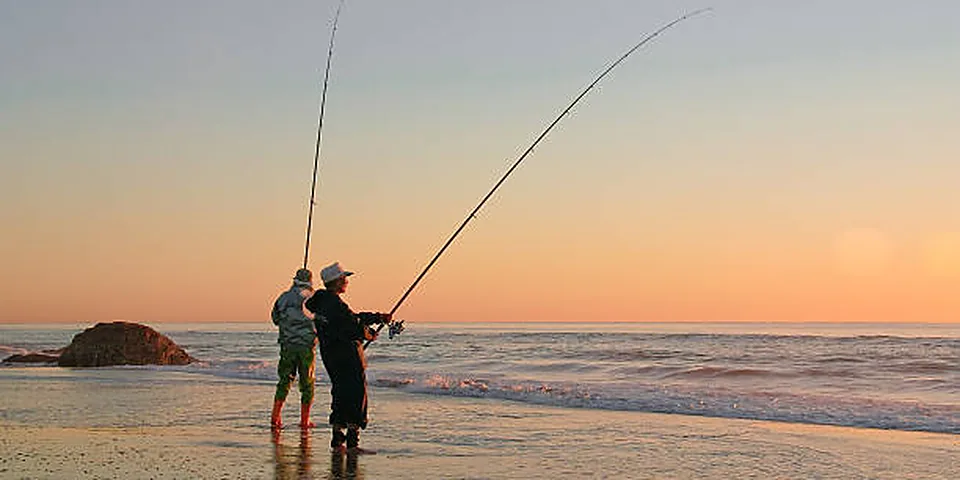
A community fishing tournament weigh-in can look like one organized activity, but several different permissions may be operating at the same time. The event registration controls who may enter, the tournament rulebook controls how catches are scored, and a personal fishing license may still be required for the person who actually fishes.
The weigh-in station adds another layer. Staff may receive, measure, record, and release fish without being the anglers who caught them. A child may be the competitor while a parent handles paperwork, and a volunteer may touch a fish for scoring without being allowed to cast. A badge or scorecard does not automatically answer the license question.
Then check the current rules for the exact state, water, species, date, and event format.
Quick Answer
Before joining or organizing a community fishing tournament weigh-in, confirm:
- Whether each person who casts, controls a line, sets a hook, or lands a fish needs a fishing license or qualifies for a specific exemption
- What tournament registration covers, including entry, waiver, age division, boat assignment, launch access, and weigh-in eligibility
- Whether the event uses a live weigh-in, a catch-photo-release format, a fish basket, a measuring board, or a combination of methods
- Who may carry, hold, measure, photograph, tag, record, transport, and release a fish
- Whether the water, access site, park, private pond, ramp, dock, or shoreline has separate permission requirements
- How youth anglers, parents, coaches, spectators, volunteers, judges, and paid staff are classified
- Whether a state tag, report card, validation record, harvest limit, or species-specific record still applies
- What rules apply after the tournament ends if an angler keeps fishing independently
Registration is event permission. A fishing license is individual authority to fish when the current rule requires one. Weigh-in handling is a tournament or fish-care role. A state record, tag, or report card is an agency record. These can overlap, but one should not be treated as a substitute for another.
The U.S. Fishing License Guide provides general background for the personal license question. The tournament organizer and the current state or local authority must answer the exact question for the event.
Registration Does Not Replace A Personal License
Tournament registration usually covers the competitor’s name, emergency contact, entry fee, waiver, division, team, boat, fishing area, and check-in instructions. It may also state whether the event is catch-and-release, harvest-based, or limited to a particular species.
Those details organize the competition. They do not automatically create a fishing license or extend an exemption to every family or team member.
If the organizer says the event is exempt, ask what written authority supports that statement. A youth program condition, private-water rule, or agency event rule may be narrow. The label community tournament is not enough by itself.
For each rod or active line, identify the person casting, controlling the bait or lure, setting the hook, and attempting to catch fish. That person is the starting point for the license check. For a shared rod, ask how the event treats the active angler.
Do not assume that a team license exists simply because the tournament has a team entry. Team scoring can be an event format while licenses remain personal.
Weigh-In Handling Is Different From Fishing
The weigh-in crew may receive fish from competitors, inspect them, place them on a scale, measure them, take photographs, enter results, and return them to the water. Those tasks are different from casting and attempting to catch fish.
Still, staff roles should be written clearly. A judge who only checks a fish may have one role. A fish-care worker who manages holding tanks may have another. A boat captain who transports competitors may have a separate safety and access role. A staff member who picks up a rod and starts fishing has crossed into a different activity.
Tournament handling does not erase biological or local restrictions. The rulebook should identify qualifying species, the measurement method, time out of water, the holding container, and the response for injured or ineligible fish.
Use clean, wet hands when instructed. Support the fish’s body, avoid squeezing the abdomen, keep the fish away from dry surfaces, and minimize air exposure. Do not add fish from different competitors to an unmarked container when individual scoring or traceability matters.
Tie the scale result to the competitor or team, time, species, and required identifier. If a fish is rejected, damaged, dead, or released before a valid measurement, record the outcome under the event rule.
Weighing, Recording, And Releasing Fish
A live weigh-in needs a repeatable chain from catch to result. Decide who receives the fish, confirms the competitor, checks species, operates the scale, records the result, and directs release.
The record may include the angler or team name, competitor number, species, weight, length, time, boat or zone, photograph, tag number, judge initials, and release result. Not every event needs every field, but the required fields should be known before the line forms at the station.
Keep event records separate from government reporting. A score sheet may decide a prize, but it may not replace a state report card, harvest tag, validation record, or other agency requirement. Kept and released fish must both follow the rules that apply.
For release, use the event’s approved holding and recovery process. Avoid overcrowding, poor water quality, excessive heat, rough surfaces, and unnecessary handling. The tournament should have a written response for fish that cannot be safely released.
Some tournaments use photographs and measurements instead of transporting fish to a central station. That reduces handling but creates proof requirements, such as measuring marks, an identifier, competitor number, date, or required angle. A photograph is an event record, not proof that every license or harvest rule was satisfied.
If a tournament uses tags or report cards, review Fishing License Tags and Report Cards before writing the scorecard. Explain who completes the agency record and when, while each angler remains responsible for information tied to their catch unless the current rule says otherwise.
Youth Anglers, Parents, And Family Teams
Youth participation causes frequent confusion. A child may be the competitor while an adult registers the entry, drives to the water, handles the net, signs a waiver, or carries the fish to the scale.
Check the current age-based rule for the place and type of fishing. Some locations may exempt certain ages, require a license at a stated threshold, or apply different conditions to freshwater and saltwater activity. A youth division in the tournament does not by itself determine the legal license status.
Write each family member’s role into the event instructions:
- The youth angler who casts and controls the active line
- The parent or guardian who supervises, transports, or signs paperwork
- The helper who nets or carries a fish
- The volunteer who measures or records a fish
- The spectator who does not handle active tackle
For shared equipment, state when the active angler changes and how the catch is credited. Do not use a parent’s license as a blanket assumption for every person holding the rod.
The Fishing License Rules for Kids and Seniors page is useful background, but the current state rule and event instructions control the actual tournament.
Staff, Coaches, Judges, And Boat Captains
Staff status is not one legal category. Organizers, judges, fish-care workers, coaches, photographers, launch volunteers, boat captains, and safety personnel may have different permissions. Each role should state whether the person may fish, handle fish, operate a boat, or make a release decision.
Keep staff credentials separate from fishing licenses. A staff badge identifies an event role and does not automatically authorize fishing, harvest, private-property access, fish transport, or scientific handling.
If staff will move live fish, use tanks, handle protected species, or transport catches, confirm whether additional permission, training, equipment, or reporting applies. The recreational license question may be only one part of that review.
State Rules And Water-Specific Differences
There is no single nationwide tournament weigh-in rule that answers every event. Requirements can vary with the state, water owner, species, season, method, event permit, access site, and release or harvest format.
Differences may involve age thresholds, freshwater versus saltwater coverage, short-term licenses, tournament exemptions, private pond treatment, report cards, tags, protected species, live transport, possession limits, and border-water jurisdiction.
Use the state agency rule for the exact water and date. Do not copy an answer from a nearby state or assume that a free fishing day applies to a permitted tournament. The Resident vs Nonresident Fishing License Rules guide can help identify residency questions, while Fishing License Reciprocity for Border Waters provides a starting point for cross-border research.
Near a state line, identify where each angler fishes, where each boat launches, where the catch is taken, and which authority issued event permission. Reciprocity may be limited to a named water, species, method, or shoreline.
After The Weigh-In Ends
The end of the weigh-in resets the questions. A badge, wristband, boat assignment, and event permit may apply only during the scheduled window, not to an evening trip, a different access point, or a second day.
Before continuing, recheck the ordinary license, access, season, size, possession, species, gear, tag, and reporting rules. If the angler crosses a state line or changes from release to harvest, the analysis may change again.
Keep tournament fish, personal catch, event equipment, and agency records separate. A scorecard does not automatically cover a fish kept after the event.
FAQ
Does entering a community tournament replace a fishing license?
Usually no. Registration controls event participation. The person who fishes must separately meet the current license requirement or qualify for a specific exemption.
Does a live weigh-in make the event exempt from licensing?
Not automatically. A weigh-in describes how the event scores fish. It does not by itself create a license exemption.
Can a parent fish for a licensed or exempt child?
Do not assume so. The person casting and controlling the active line should be identified, then checked against the current license and age rules.
Do judges and volunteers need fishing licenses?
Their handling role is different from fishing, but staff status is not a universal exemption. The organizer should define whether each person may cast, handle fish, transport fish, or only perform event duties.
Does a tournament scorecard replace a tag or report card?
No. A scorecard tracks event results. A tag, report card, or other agency record has the purpose stated by the responsible authority.
What should an organizer do when two states border the tournament water?
Identify the exact fishing location, launch, shoreline, species, method, and participant status. Then confirm any reciprocity or event permission with the responsible authorities rather than relying on general assumptions.
Source Checklist
Before publishing the registration form or opening the weigh-in station, verify:
- The current state fishing regulations for the exact water, date, species, and method
- Whether the event has a written permit, exemption, host agreement, or special condition
- Whether registration is separate from each angler’s license or age-based exemption
- The active angler for each rod, team, boat, and shared-equipment arrangement
- The roles of youth anglers, parents, coaches, judges, fish-care staff, photographers, volunteers, spectators, and boat captains
- Public access, private-property permission, park conditions, ramp rules, dock limits, parking, and launch requirements
- Species eligibility, season, size, possession, harvest, protected-fish, tag, report-card, and transport requirements
- The approved weigh-in container, water, scale, measuring method, photograph, identifier, holding time, and recovery process
- The required catch record, event scorecard, agency record, release confirmation, correction process, and record custodian
- The response for dead, injured, rejected, unidentifiable, or improperly recorded fish
- The rules for continuing to fish after the official tournament window ends
Keep the written answers with the event rulebook. When unclear, name the state, water, date, species, fishing role, and weigh-in method instead of asking whether tournaments are generally exempt.
Related Reading
- U.S. Fishing License Guide
- Fishing License Tags and Report Cards
- Fishing License Rules for Kids and Seniors
- Resident vs Nonresident Fishing License Rules
- Fishing License Reciprocity for Border Waters
- Fishing License Fines and Penalties
CTA
Before tournament day, write down five answers: who is fishing, what registration covers, who may handle fish, how every catch is recorded and released, and which ordinary rules return after the weigh-in. Then confirm those answers against the current authority for the exact state and water.