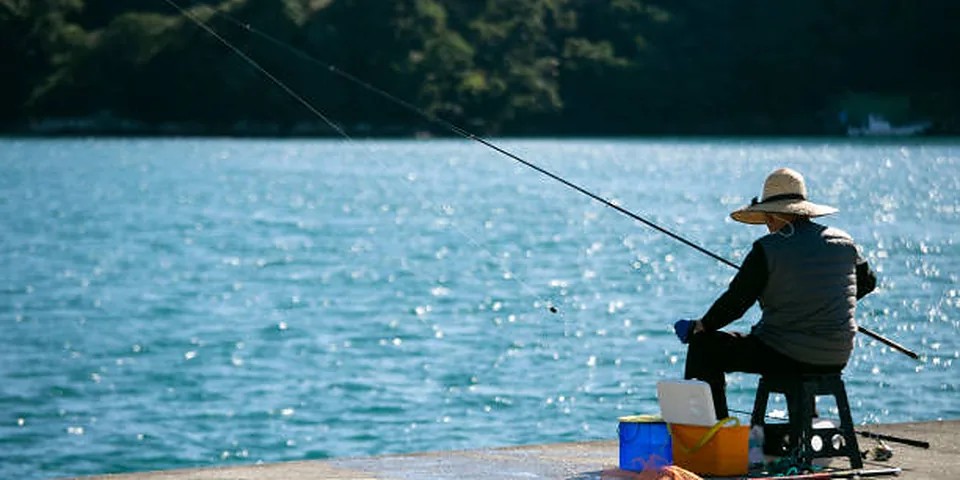
A fishing club practice day can involve several rule systems at once. The club may reserve a launch, schedule coaching, or follow event instructions, while each member still has separate licensing, access, equipment, and harvest duties.
Club authority organizes the activity. A recreational fishing license authorizes an individual to fish when the current state and water rules require one. A roster, invitation, coach’s instruction, or practice schedule does not automatically replace a personal license or create a general exemption.
Quick Answer
Before attending a fishing club practice day, confirm:
- Whether each person who will cast, hold a line, set a hook, or assist with an active rod needs a fishing license or qualifies for a specific exemption
- Whether the club has permission to use the exact shoreline, ramp, dock, marina, lake, river reach, private property, or tournament facility
- Whether the practice is only a club activity or is governed by a permit, tournament rulebook, agency order, park condition, or host agreement
- How youth anglers, spectators, parents, guests, coaches, and volunteers are classified
- Whether a shared rod is allowed and which person is considered the angler for licensing and catch rules
- Whether catch-and-release practice still has to follow seasons, closed waters, gear restrictions, protected species rules, and handling requirements
- Who may operate a club boat, use event equipment, and make safety decisions
- What records, catch reports, tags, scorecards, or release confirmations the club must keep
- Which ordinary rules apply when members fish independently afterward
A club may make the day easier to organize, but it does not usually combine every participant into one legal fishing unit. The U.S. Fishing License Guide is a starting point for the individual license question; the club, host, and current agency rules answer the others.
Club Authority Is Not a Recreational License
Club authority may cover scheduling, coaching, registration, equipment, or a host agreement. It does not answer every legal question. Verify individual licensing, site access, event approval, permitted methods, coach or volunteer roles, and catch records separately.
An event permit may let a club assemble without giving every participant permission to fish nearby. A host may allow scheduled practice on a private pond without opening the property to unscheduled fishing. A membership card proves registration, not licensing.
Do not assume that an event called a practice, clinic, scrimmage, or team day is exempt from ordinary fishing rules. Ask the club organizer to identify the written rule or exemption if the club says members do not need individual licenses.
Public and Private Access
Public water and public access are related but different. A lake may be public while the nearest ramp is private. A public park may allow fishing from one bank but reserve a dock for a permitted event. A private pond may host a club practice under an invitation that applies only to the listed date and participants.
Before the practice, confirm the exact water and boundary, legal route, hours, parking and launch restrictions, who may attend, whether boats and personal vehicles are allowed, and whether members may return later.
A fishing license does not grant permission to cross private property. Conversely, permission to enter private land for a club event does not automatically create a fishing license exemption. Review Private Property Fishing License Rules when the practice takes place on a farm pond, private lake, resort, neighborhood water, or restricted shoreline.
If the practice crosses a state line or uses border water, check the applicable agreement instead of relying on the club’s home-state rule.
Youth, Spectators, and Shared Rods
Youth rules often depend on age, residency, water type, species, and whether the child is actually fishing. Some jurisdictions provide age-based exemptions or special youth days, while others require a license above a stated age. A parent paying dues or supervising a child does not automatically transfer the parent’s license to the child.
Separate the roles at check-in. An active angler casts, controls a line, sets a hook, or directs a presentation. A coach teaches or demonstrates, a safety volunteer manages people and equipment, and a spectator or parent watches without handling active tackle unless assigned as an angler.
The legal treatment of a shared rod can vary. Some rules focus on who holds and controls the rod. Others may count lines, hooks, or the person attempting to take fish. Set a clear club policy: one named angler per active rod unless the current rule and event instructions say otherwise. Do not use shared equipment as a way to let an unlicensed person fish secretly.
For youth clinics, decide who may touch the rod during a cast, hookset, landing, or photograph. A coach demonstrating with a lure in the water may still be fishing under the applicable rule. The Fishing License Rules for Kids and Seniors guide frames the age question, but the current state rule controls. Keep spectators outside casting lanes and boat-loading areas.
Catch-and-Release Practice
Catch-and-release does not always remove licensing or regulation duties. The act of attempting to catch fish can be regulated even when no fish is kept. Closed seasons, closed waters, protected species rules, hook restrictions, bait rules, and area closures can apply to release-only practice.
Use a practice plan that names the water and target species, legal hooks, lures, bait and rod limits, any barbless or single-hook requirement, the handling and release method, and how protected fish, zero catches, mortality, and rule incidents are recorded.
Release fish promptly and keep them in the water when possible. Wet hands, support the body, avoid the gills, and do not place fish on hot ground. Do not move fish between waters, keep a practice fish in a personal livewell, or count it twice.
If the practice uses a catch-and-release scorecard, clarify whether the score is for coaching only or part of a recognized competition. A club’s internal score does not replace a required tag, report card, or agency record. See Fishing License Tags and Report Cards for the separate reporting concept.
Boats, Club Equipment, Permits, and Tournament Rules
Club boats and trailers add another layer of responsibility. Confirm who is authorized to operate each boat, who has completed any required boating instruction, who carries emergency gear, and who is responsible for loading, fueling, launching, and retrieving. A member’s fishing license does not automatically authorize operation of a club boat.
Before launching, identify the boat custodian, approved operator and passenger limit, life jacket and emergency gear, launch and marina restrictions, fuel and weather procedures, livewell instructions, and cleaning, draining, drying, and invasive-species controls.
Do not loan club equipment to an unregistered guest without checking club rules and insurance. Keep personal gear separate from scoring equipment, and do not assume a club net, measuring board, camera, or livewell is available for private fishing afterward.
Some practice days connect to an upcoming tournament. Read the rulebook for limits on scouting, areas, boat movement, communication, fish care, photos, observers, and practice dates. A tournament permit may govern format while ordinary fishing rules still govern licenses, seasons, methods, and protected species.
For a large gathering, public facility, blocked ramp, entry fees, sponsor, or formal competition, ask whether a separate event permit, insurance certificate, facility approval, or local authorization is required. Call it an official tournament only when the host and rulebook support that description.
Safety and Event Reporting
A safe practice day has a named person who can pause or end the event. Review weather, lightning, heat, cold, wind, water levels, current, boat traffic, slippery banks, overhead hazards, hooks, knives, fuel, and crowd movement before the first cast.
Set boundaries for casting, parking, launching, wading, fish handling, and spectators. Keep children away from hooks and propellers. Wear a properly fitted life jacket in a boat or when the event requires one. Do not allow a tired, impaired, or untrained person to operate a boat or drive a trailer.
The organizer should record attendance, license or exemption confirmation, assigned roles, access or rule questions, injuries and near misses, equipment damage or spills, protected species or mortality, and catch, release, tag, scorecard, or required report details.
Reporting helps the club identify hazards, show that the event followed its plan, and respond consistently. If a participant cannot confirm a rule, pause that activity and contact the organizer or current agency source.
When Members Fish Independently
The club schedule ends at a specific time, place, or instruction. After that point, each member must reassess the ordinary rules for their own trip. The club roster does not follow a member to a different bank, boat, lake, or date.
Before fishing independently, confirm personal license or exemption, legal access, open season and method rules, whether fish may be kept or transported, required tags or reports, and whether club equipment or event-only permission may still be used.
Do not keep a practice fish unless the current rules and event instructions allow it. A private host who welcomed the club has not necessarily welcomed individual members, and event familiarity does not open a closed area.
If you are unsure whether the license follows you to a different water, start with Resident vs Nonresident Fishing License Rules and check the site-specific rule. Fishing License Fines and Penalties shows why license, access, method, and harvest issues remain separate.
FAQ
Does joining a fishing club exempt me from buying a license?
Usually not. Club membership, registration, or a roster does not normally replace an individual license. Confirm any claimed exemption in the current rule or written event authority.
Can a coach fish with a student’s rod?
Only when the current rule and event plan allow it. Decide who is the active angler, and do not use a coach’s license to conceal an unlicensed person’s fishing.
Do spectators or youth participants need licenses?
The answer can depend on age and whether the person casts, controls a line, sets a hook, or handles active tackle. Confirm the current youth rule and keep spectators outside the angler role.
Does catch-and-release practice require a license?
It may. Attempting to catch fish can be regulated even when fish are released. Check license, season, water, species, gear, and hook rules.
Can a club use a private pond for practice and let members return later?
Only if the landowner or manager gives separate permission. Event access is often limited to the listed date, time, people, and activity.
Can members keep fish caught during a practice?
Not automatically. Follow the practice plan, harvest rules, size and possession limits, tags, and reporting requirements. If the event is release-only, keep the fish released.
Does a tournament permit cover every club rule?
No. It may cover event format or site use, while each angler still has separate licensing and fishing duties.
Source Checklist
Before the practice day, verify:
- Current license, age exemption, water, season, species, gear, possession, and reporting rules
- Club notice, roster, coach assignments, waiver, and written exemption if one is claimed
- Public or private access for the exact bank, dock, ramp, boat, parking area, and hours
- Roles for anglers, coaches, parents, youth participants, spectators, guests, and volunteers
- One named angler per shared rod, unless a documented rule permits another arrangement
- Catch-and-release, fish-handling, scoring, tag, mortality, and reporting procedures
- Boat operator, life jacket, launch, fuel, livewell, weather, emergency, and biosecurity requirements
- Tournament rulebook, event permit, facility approval, incident record owner, and later independent-fishing rules
When a point is unclear, ask the organizer to name the water, date, participant role, equipment, method, and authority that answers it. Save the response with the event notice rather than relying on a verbal assumption.
Related Reading
- U.S. Fishing License Guide
- Fishing License Rules for Kids and Seniors
- Private Property Fishing License Rules
- Fishing License Tags and Report Cards
- Resident vs Nonresident Fishing License Rules
- Fishing License Fines and Penalties
CTA
Before the first cast, write down four answers: who is allowed to fish, who controls access, what the club event authorizes, and what each member must do after the event ends. Keep that checklist with the roster, follow the current water rules, and pause the practice whenever a license, access, safety, or reporting question is unresolved.