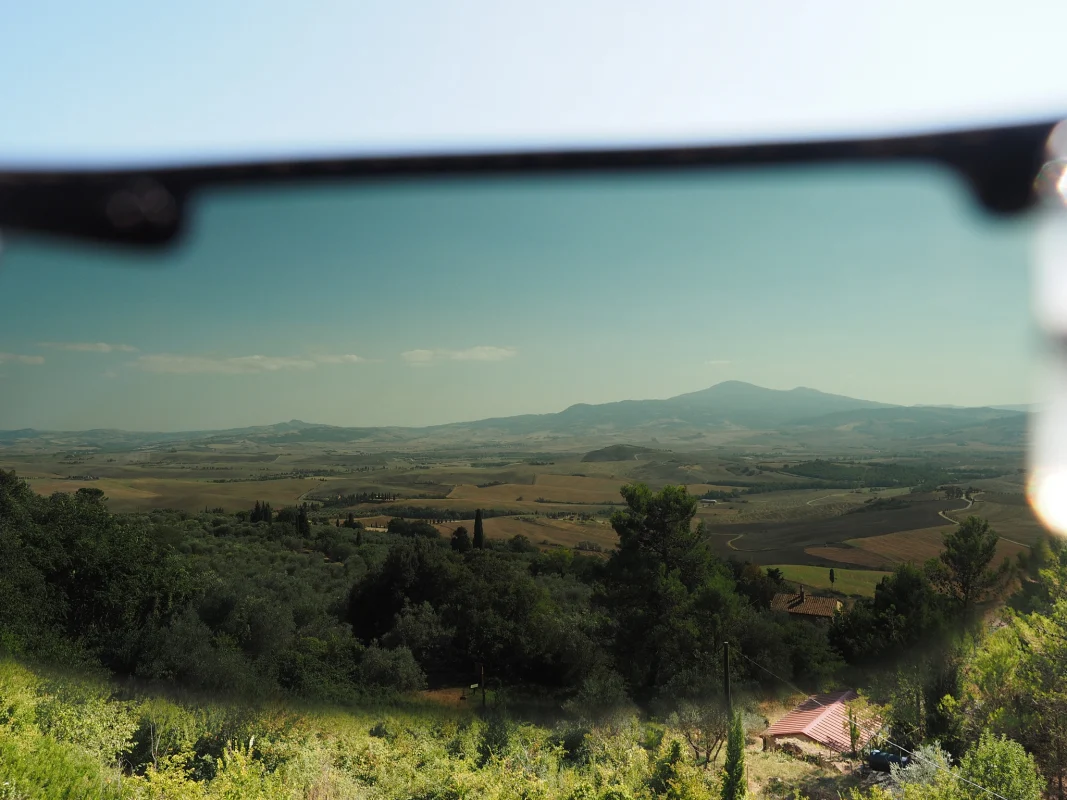
A canal can look like a straight, uniform strip of water, but its fish often gather around small changes: a lock, culvert, bridge, weed edge, current seam, shade line, or hard bottom. The first challenge is not casting far. It is finding a legal, safe place to stand and learning which parts of the canal move water or provide cover.
Canals can also connect different water types and jurisdictions. A freshwater-looking channel near a coast may be tidal or brackish, and a public-looking bank may be managed by a city, irrigation district, private owner, or facility. Confirm the rules before you unpack your rod.
Quick Answer
To fish a canal for the first time:
- Confirm the fishing license, water classification, access permission, and posted canal rules.
- Choose a stable bank away from locks, drops, deep mud, traffic, and restricted structures.
- Watch the water for current, bait, shade, weeds, hard edges, and depth changes.
- Start with a light spinning setup, small hook and bait, or a compact lure matched to the fish.
- Fish near cover and current transitions before casting across open water.
- Keep the line clear of weeds, cables, culverts, boats, and the opposite bank.
- Change depth, angle, or retrieve one variable at a time.
- Handle fish close to the water and follow local size, bag, species, and release rules.
The most useful first-canal pattern is simple: find a safe access point, locate a water transition, make accurate short casts, and move only after the spot stops teaching you anything.
Confirm Access and Water Rules
Do not assume a canal is public because it runs beside a road or neighborhood. The water may be operated by an irrigation district, drainage authority, municipality, park, utility, private community, or landowner. The bank, trail, bridge, and parking area can each have separate rules.
The U.S. Fishing License Guide can help identify the state agency. Before fishing, verify:
- The exact canal name or managed reach
- Public bank access and parking permission
- Whether fishing is allowed from the towpath, bridge, dock, or service road
- Freshwater, saltwater, tidal, or brackish classification
- License or exemption for every person who will fish
- Bait, hook, lure, species, season, size, bag, and release rules
- Closed areas near pumps, gates, dams, locks, intakes, and water-control equipment
Canal access may cross private property even when the channel carries public water. Review the Private Property Fishing License Rules guide when the route or bank ownership is unclear.
Read the Canal Before Casting
Spend several minutes watching the water. A canal may look still at the surface while a bottom current moves bait and fish along one wall or through a deeper section.
Look for:
- A faster lane beside slow or slack water
- A dark line that suggests a deeper channel
- Weeds ending at a clean edge
- A culvert, feeder ditch, drain, or inflow
- Bridge shade or a shaded concrete wall
- Rocks, riprap, submerged timber, or a hard bottom
- Minnows, insects, frogs, birds, or surface movement
- Floating debris moving in one direction
If the canal has a lock, gate, pump, or scheduled flow change, water speed can change while you are fishing. Do not stand close to moving water-control equipment to test the current. Watch from a safe distance and move if the bank becomes wet, unstable, or crowded.
Water clarity also matters. Clear canals reward quiet movement and longer casts. Stained water may allow a closer approach, but it can hide snags, soft edges, and debris. Treat low visibility as a safety concern as well as a fishing condition.
Choose a Safe Bank Position
The best-looking canal spot is not useful if you cannot leave it safely. Avoid vertical concrete edges without a clear exit, soft mud, undercut banks, slippery algae, steep riprap, and narrow paths beside traffic.
Before casting, identify:
- Where you will stand
- Where you can step back
- A route to the vehicle or public path
- The water depth beside the bank
- Nearby cables, fences, pumps, gates, and overhead lines
- Whether another person, boat, cyclist, or maintenance vehicle may need the space
Do not climb a fence, enter a restricted service area, or stand on a lock structure for a better angle. A canal fish is not worth a fall into cold, deep, or moving water.
Use Simple Canal Tackle
A light or medium-light spinning rod is a flexible first choice for many accessible canals. Match the line to the cover and target species rather than using the lightest possible line everywhere.
For a bait setup, pack:
- A small hook matched to the bait
- Modest split shot or another legal weight
- A small fixed bobber when depth control helps
- Worm, cricket, prepared bait, or another legal option
- Pliers and line cutters
For a lure setup, try:
- A compact spinner in open water
- A small jig near a deeper edge
- A soft plastic beside weeds or riprap
- A weedless presentation when vegetation makes snags likely
The Fishing Gear for Beginners guide covers the basic setup. For bait choices, see Best Bait for Freshwater Fishing.
Keep the rig compact enough to control. A long leader, excessive weight, or large lure can catch opposite-bank vegetation, cables, and submerged debris.
Fish the Edges and Current Seams
Canal fish often use the edge of current rather than the fastest water. Start where slow water meets moving water, where weeds end, or where a shadow crosses a deeper lane.
| Canal feature | Why it can matter | First presentation |
|---|---|---|
| Weed edge | Cover and food meet open water | Cast parallel to the edge |
| Riprap | Creates small pockets and hard bottom | Work a compact lure slowly |
| Culvert mouth | Adds flow, food, or temperature change | Cast to both sides from a safe bank |
| Bridge shade | Reduces light and can hold bait | Place bait at the shade boundary |
| Lock or gate downstream | May create a current seam | Fish only from a permitted, stable area |
| Inside bend | Often has slower water and sediment | Drift bait along the softer edge |
Make short casts first. Fish the water nearest you before sending the lure to the far wall. A long cast can cross a hidden snag, disturb the bank, or put your line where you cannot control it.
Control Depth and Retrieve
Start with a shallow or mid-depth presentation that you can see and feel. If a bobber stays still, move the bait deeper in small steps. If a lure bumps weeds or bottom on every cast, raise it or change the angle.
With bait:
- Set the hook and weight so the bait reaches the edge without dragging.
- Cast slightly upstream or across the seam when current allows.
- Remove only enough slack to keep contact.
- Watch for a dip, slide, stop, or sideways movement.
With a lure:
- Cast along the edge instead of directly into the thickest cover.
- Start with a slow retrieve.
- Pause near shade, rocks, or a current change.
- Change speed or depth before changing every piece of tackle.
Canals reward repeatable casts. Record which side of the seam, depth, and cover produced activity rather than changing location after one missed bite.
Adjust for Current, Wind and Water Level
Wind can push surface debris and bow the line. Cast with or across the wind when possible, keep the rod tip lower after the lure lands, and avoid allowing slack to drift into weeds or structures.
Current can change after rain, irrigation release, lock operation, or storm runoff. Rising water may cover familiar footing and increase force against the bank. Murky water can hide holes, trash, and unstable edges.
Stop fishing and move away when:
- The bank begins to crumble or slide
- Water rises toward your standing area
- Debris moves quickly through the channel
- You cannot see a safe exit
- Lightning, extreme heat, or poor visibility makes the trip unsafe
Never wade a canal just to reach the opposite bank. Many canals have steep sides, hidden drop-offs, contaminated sediment, or machinery that makes entering the water unsafe.
Handle Fish and Follow Local Rules
Check whether the fish may be kept before you place it in a cooler. Size, bag, possession, species, season, and reporting rules can apply even when the canal is privately managed or the trip is catch and release.
If releasing a fish:
- Wet your hands
- Keep the fish close to the water
- Avoid touching the gills
- Use pliers for an easy hook
- Cut the line near a deep hook when removal would cause more harm
- Return the fish promptly and let it swim away under its own control
The Fishing License Tags and Report Cards guide can help identify paperwork that may sit beside a general license. Do not clean fish, discard bait, or leave line where the facility prohibits it.
Common Canal Fishing Mistakes
- Assuming a road beside the canal creates fishing access
- Standing near a lock, pump, gate, or unstable concrete edge
- Fishing only the middle instead of edges and seams
- Casting across cables, boat lanes, or opposite-bank vegetation
- Using too much weight or a lure that reaches every snag
- Ignoring water-level changes after rain or releases
- Entering the canal to retrieve a lure
- Keeping fish before checking species and size rules
- Leaving line, bait containers, or hooks behind
FAQ
Is canal fishing good for beginners?
It can be, when access is legal and the bank is safe. Canals often have visible edges, current changes, and cover, but water-control equipment and steep banks require extra caution.
Do I need a fishing license to fish a canal?
Usually, each person who fishes needs a license or a specific exemption. The answer depends on the state, water type, species, date, and exact canal.
What bait works in a canal?
Use legal bait matched to the target species and water. A worm or small natural bait under a controlled float is a simple starting point; a compact jig or spinner can search edges.
Should I fish a canal with moving water?
Yes, if you can stand safely away from the control structure. Target the slower edge beside current rather than standing close to a gate, lock, or pump.
Can I wade a canal?
Do not assume wading is safe or legal. Many canals have deep sides, soft sediment, hidden hazards, and machinery. Fish from a stable permitted bank unless the managing agency specifically allows another method.
How do I find fish in a straight canal?
Look for differences: weeds, shade, riprap, culverts, inflows, bends, current seams, and deeper dark lanes. Fish those transitions before uniform open water.
Source Checklist
- Confirm the state license or exemption for every active angler
- Identify the exact canal, managing agency, and water classification
- Verify bank, parking, trail, bridge, and service-area access
- Read restrictions near locks, pumps, gates, dams, and intakes
- Check bait, hook, lure, species, season, size, bag, and reporting rules
- Observe current, water level, clarity, debris, and safe exit routes
- Pack compact tackle, pliers, line cutters, water, and sun protection
- Start with short casts along edges and seams
- Avoid wading and never enter restricted water-control areas
- Prepare a legal harvest or quick-release plan
Related Reading
- U.S. Fishing License Guide
- Private Property Fishing License Rules
- Freshwater vs Saltwater Fishing License
- Fishing Gear for Beginners
- Best Bait for Freshwater Fishing
- Fishing License Tags and Report Cards
CTA
Choose one legal, stable canal access point and spend the first few minutes reading the water instead of casting everywhere. Find one edge, seam, or shade line, make controlled short casts, and let safety and repeatable observations guide the next move.