
A shallow lake can look easy in summer because much of the shoreline is visible. The challenge is that warm water, bright light, wind, and vegetation can move fish during the same day.
You do not need a fish finder to start. Read the lake in sections, begin with the safest accessible water, and change depth or location in small steps. A good summer plan often moves from shallow cover in low light to shade, vegetation edges, or deeper transitions as the sun rises.
Quick Answer
To fish a shallow lake in summer:
- Confirm the lake access, fishing license, water classification, and current harvest rules.
- Visit during lower light when possible, especially early morning or late evening.
- Look for shade, weed edges, points, drop-offs, inflows, windblown banks, and visible bait.
- Start with a simple worm, small bait, jig, or soft plastic matched to the target fish.
- Fish the nearest productive cover before making long casts across open water.
- Use a shallow presentation first, then move deeper in small increments if the fish are not responding.
- Adjust for wind, heat, water clarity, recent rain, and floating vegetation.
- Handle fish close to the water and follow the exact local size, bag, season, and release rules.
Check Access, License and Lake Rules
Before choosing a bank, verify that the shoreline, parking area, trail, dock, and water access are open for fishing. A public lake can include private shoreline parcels, restricted habitat, park-hour limits, or facilities where fishing is not allowed.
The U.S. Fishing License Guide is a starting point for identifying the state agency. Confirm the exact lake and county because nearby waters can have different seasons, bait rules, species limits, or special permits.
Also check:
- Freshwater classification and any connected-water boundary
- License or exemption for each person who will fish
- Open and closed seasons
- Size, slot, possession, and daily bag limits
- Bait, hook, lure, and boat restrictions
- Special rules for bass, trout, panfish, or protected species
- Park hours, parking fees, launch rules, and shoreline closures
Confirm the exact access point instead of assuming every shoreline is open.
Read Summer Lake Conditions
Spend a few minutes looking before you cast. In a shallow lake, small visual changes can be more useful than a general guess about the whole lake.
Look for:
- A dark edge where weeds meet open water
- Shade from trees, bridges, docks, or steep banks
- A point that extends into the lake
- A channel, ditch, creek mouth, or old roadbed
- Wind pushing insects, plankton, or floating debris toward one bank
- Minnows, insects, frogs, birds, or surface activity
- Clear water beside a stained pocket
- A hard bottom beside mud, weeds, or soft vegetation
A shallow flat may be productive when baitfish are active, wind moves food across it, or low light gives fish cover. The same flat can become quiet after hours of direct sun. Do not abandon the lake after one quiet cast from one exposed bank.
Water clarity changes approach and visibility. In clear water, move quietly and use smaller presentations. In stained water, a visible bait and controlled retrieve can help.
Choose the Best Summer Windows
Early morning is often a practical starting window because the light is lower and shallow water has not experienced a full day of heating. Fish may feed near grass, rocks, docks, or the edge of a flat.
Late evening can offer a similar light advantage. Stay within posted access hours and plan how you will leave before the bank becomes difficult to navigate.
During bright midday conditions, try:
- Shade lines
- Deep edges beside shallow flats
- Thick vegetation with a clean opening
- Windblown banks
- Inflows or small areas of moving water
- The shaded side of a point or dock
These are starting locations, not guarantees. Let visible activity and repeated bites guide the next move.
Find Shallow Cover and Depth Transitions
Fish in a shallow lake are often easier to locate around transitions than in the middle of uniform water. A transition can be a weed edge, a drop from a flat to a channel, a rock-to-mud change, or a seam where wind pushes water into cover.
| Lake feature | Why it can matter in summer | First approach |
|---|---|---|
| Weed edge | Offers food and ambush cover | Cast parallel to the edge |
| Shade line | Reduces direct light and may hold bait | Place the lure at the edge |
| Point | Connects shallow water to a travel route | Fan-cast from shallow to deeper water |
| Creek mouth or inflow | May add food or a temperature change | Fish both sides of the flow |
| Windblown bank | Can collect insects and small baitfish | Start with a moving lure or bait |
| Channel edge | Adds depth beside a shallow flat | Work the break slowly |
If the lake is uniformly shallow, focus on the best available difference rather than searching for a dramatic drop-off. One side may have more shade, a harder bottom, better vegetation, or more wind.
Select a Simple Summer Rig
A beginner does not need a large selection. Use a setup that lets you control depth and identify what happens after each cast.
For bait fishing:
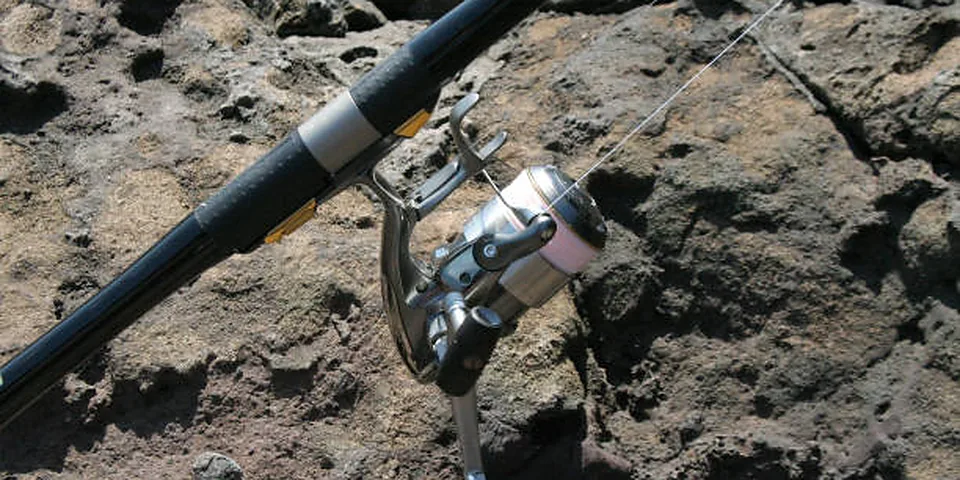
- Light or medium-light spinning rod
- Monofilament or another line matched to the cover
- Small hook matched to the bait and target species
- Modest split shot when needed
- Fixed bobber for simple shallow depth control
- Worm, cricket, prepared bait, or another legal option
For lure fishing:
- Small spinner or spoon in open water
- Jig or soft plastic near cover
- Weedless presentation around vegetation when appropriate
- Topwater lure during low light when surface activity is present
The Fishing Gear for Beginners guide covers the basic equipment. For bait choices, see Best Bait for Freshwater Fishing.
Use enough weight to cast and maintain contact, but avoid adding weight simply because the lake is windy. Too much weight can pull bait into weeds or make a natural presentation look stiff.
Fish the Bank Before the Middle
Begin with the water closest to you. Fish may hold beside the bank, under a dock, along a weed edge, or near the first depth change. A long cast over productive water can spook fish or skip the exact cover they use.
Work a location in a simple order:
- Cast parallel to the bank or cover edge.
- Cast just beyond the target and retrieve through it.
- Fan-cast from shallow water toward the depth transition.
- Change the retrieve speed or bait depth.
- Move only after several controlled presentations.
Keep your shadow and footsteps away from clear shallow water. Avoid dropping tackle, dragging a chair across gravel, or repeatedly walking over the same edge. If the water is clear and calm, begin farther back and use a smaller presentation.
Change Depth in Small Steps
A bobber makes depth changes easy to see. Start shallow enough to cover the visible edge, then move the bait deeper in measured increments. When fishing without a bobber, count down consistently or use a retrieve that keeps the lure near one depth.
Signs that a depth change may help include:
- The bait is repeatedly ignored in clear shallow water
- Fish activity appears below the surface
- The sun has moved over the flat
- Wind pushes the surface away from your bank
- Vegetation is dense at the top but open below
- Bites stop after a period of changing light
Change one variable at a time, then fish long enough to learn something.
Adjust for Wind and Heat
Wind can make a shallow lake more productive by moving food and breaking the surface. It can also make a bobber drift too quickly, create line slack, and push floating vegetation into your casting lane.
Position yourself where you can:
- Keep the wind at your back or quartering across the cast
- See the line and presentation
- Stand securely away from a steep or muddy bank
- Avoid casting across boat lanes or crowded areas
On very hot days, carry water, protect yourself from the sun, and shorten the trip if you cannot stay comfortable. Warm shallow water may have lower dissolved oxygen, especially where there is little wind or circulation. If fish appear stressed, limit handling and consider moving to a safer time or location.
Keep the line controlled and choose a safer bank position when wind increases.
Handle Fish and Leave the Bank Clean
Prepare pliers, line cutters, a measuring tool, and a legal way to keep fish before you start. Wet your hands before touching a fish, support it close to the water, and avoid squeezing the body or touching the gills.
If you release the fish:
- Keep the fish out of water only as long as needed
- Remove the hook with the least force practical
- Cut the line near a deep hook when removal would cause more damage
- Follow the local rule for protected or restricted species
- Return the fish gently and let it swim away under its own control
Pack out line, bait containers, hooks, and food wrappers. Shallow lakes often have heavy public use, so a small amount of discarded line can create a hazard for people and wildlife.
Common Summer Mistakes
- Fishing only exposed shallow flats after the sun is high
- Assuming every weed bed has the same depth and oxygen
- Walking loudly along clear water
- Starting with a lure or bait that is too large
- Adding weight until the presentation sinks into vegetation
- Changing several variables after one missed bite
- Ignoring wind direction and floating cover
- Fishing beyond posted park hours
- Keeping fish before checking size, bag, or species rules
- Leaving line, bait, or hooks on the shoreline
FAQ
Is shallow water good for summer fishing?
It can be, especially during low light, around shade, near vegetation, or when wind moves food. Bright, calm midday conditions may push fish toward cover or nearby deeper water.
What should I fish first in a shallow lake?
Start with a visible transition such as a weed edge, shade line, point, inflow, or windblown bank. Fish the nearest cover before searching open water.
How deep should a summer bobber be set?
There is no universal depth. Start shallow enough to cover the edge you can see, then move the bait deeper in small steps when fish are not responding.
Is bait or a lure better for a beginner?
Use the method you can control. Legal bait under a bobber makes depth and bites visible. A small spinner, jig, or soft plastic helps search more water.
Can I fish a shallow lake at midday?
Yes, but focus on shade, vegetation edges, windblown banks, inflows, and depth transitions rather than the most exposed flat.
Do public lake rules apply to every shoreline?
Not necessarily. Confirm the exact access point, park hours, ownership, fishing zones, license requirements, and current water regulations.
Source Checklist
- Confirm the current state fishing license or exemption
- Verify the exact lake, access point, and managing agency
- Check freshwater classification and connected-water boundaries
- Read current season, size, bag, possession, and method rules
- Confirm bait, hook, lure, boat, and shoreline restrictions
- Check park hours, parking, launch, and posted closure notices
- Pack pliers, line cutters, water, sun protection, and a first-aid kit
- Identify shade, vegetation, wind, and depth transitions before fishing
- Plan one small depth or presentation change at a time
- Prepare a legal harvest or quick-release plan
Related Reading
CTA
Choose one legal access point, find one summer transition, and fish it with a simple rig before changing locations. Check the current lake rules first, start with the shallow edge, and let shade, wind, cover, and depth tell you where to make the next cast.