The best fishing net for a beginner fits the fish, the fishing position, and the way the catch will be handled. A small net may be easy to carry but useless for a large bass. A deep net can hold a lively fish securely but take up more room in a kayak.
Start with a hoop large enough for your target fish, a handle suited to your landing position, and mesh that will not create unnecessary hook or fish-handling problems. A medium rubberized or knotless net with a removable or telescoping handle suits many beginners, but not every species or location.
Quick Answer
| Fishing situation | Useful starting choice | Main tradeoff |
|---|---|---|
| Small freshwater panfish and trout | Compact shallow or medium net | Easy to carry, but limited for larger fish |
| Bank fishing on a low shoreline | Medium hoop with a longer handle | Reaches the water, but adds weight |
| Boat fishing for bass or walleye | Medium to large teardrop hoop | Gives room for the fish, but needs storage |
| Kayak fishing | Compact net with a short handle | Fits the cockpit, but has less reach |
| Larger freshwater fish | Deep, wide hoop with a strong frame | More secure, but bulkier |
| Inshore saltwater fishing | Corrosion-resistant frame and easy-rinse mesh | Needs fresh-water rinsing and careful drying |
Choose size by the fish you expect to land, not by one unusually large catch. The hoop should let the fish enter head first without bending the frame, and the bag should hold it securely. From a steep bank, handle reach may matter more than folded size.
Match the Net to the Target Fish
Target fish are the first filter. A small net for panfish or trout may force you to chase a bass or lift it by the line, increasing the chance of a lost fish or injury.
Choose a compact hoop for small fish, a medium teardrop or oval hoop for many bass and walleye trips, and a wider, deeper bag for larger fish. The frame should not twist under load.
Oversized nets are harder to control from a kayak or narrow boat. Match the opening to the fish’s body and leave enough room for a head-first entry. A deeper bag holds strong fish but also more water.
Consider the hook and lure as well as the fish. Treble hooks, spinnerbaits, and several-hook rigs can catch in loose mesh. If you often fish artificial lures, a rubberized or tightly woven knotless mesh can make landing and unhooking less frustrating.
Hoop Shape and Handle Length
Teardrop and oval hoops give a long opening for many bass and walleye trips. Round hoops are predictable and easy to maneuver. Frame strength, a secure yoke, and bag depth matter more than the label.
Look for no sharp edges, exposed burrs, or loose joints. If the hoop flexes, twists, or folds during a dry test, it may be hard to control with a fish inside.
Use a short handle in a kayak or small boat, a medium handle for general bank and boat fishing, and a longer handle only when a high bank, dock, or pier requires reach.
Telescoping and removable handles save space, but every lock must engage fully. Ask a partner to net a large fish instead of stretching across the boat.
Mesh Choices: Rubber vs. Nylon
Rubberized mesh is smooth, easy to rinse, and often less likely to snag hooks than loose nylon. Several-point lures can still catch in it, so keep pliers or a hook-removal tool ready.
Nylon mesh is light and easy to pack, but it may hold water, catch hooks, or become abrasive over rocks and concrete. Inspect it for frayed strands and stretched seams.
The word “rubber” does not guarantee safety for every fish. Mesh size, bag depth, frame pressure, and technique still matter. Keep a heavy fish supported in water or on a wet, stable surface.
Use a smaller opening for small fish and a larger, deeper bag for broad-bodied fish or strong runs. Very fine mesh can collect weeds; very open mesh can let fish or hooks pass.
Choosing a Net for Bank, Boat, or Kayak Fishing
Bank fishing
Bank anglers should measure from their normal standing position to the water. A longer handle helps on a high, muddy, or reed-lined bank; a compact net may be enough on a low, clear shore.
Keep the net within reach before the fish is tired. A strap or clip can help, but do not let it catch your feet or make you reach from an unstable edge.
Boat fishing
In a boat, store the net where you can deploy it without clearing tackle or catching rods and anchor lines. A medium to large hoop suits many bass and walleye trips.
Enter the water head first. Do not chase a running fish from behind or scoop too early. Guide it over the net, then lift smoothly.
Kayak fishing
Kayak anglers need reach, storage, flotation, and one-handed control. A short handle and moderate hoop fit the cockpit better. Keep the net clear of the paddle and leash.
Secure it where you can grab it while seated without a wrap hazard, and practice opening it beside you before the first trip.
Freshwater and saltwater
Freshwater weeds, sand, and mud still affect the mesh. Rinse the net after fishing and dry the bag before storing it.
Saltwater adds corrosion and sand concerns. Flush the hoop, mesh, handle sections, locks, and hardware with fresh water after every trip. Open moving parts when possible and dry them before closing.
The Saltwater Fishing Gear for Beginners guide can help place a landing net within a larger inshore setup. For a general kit, the Fishing Gear for Beginners guide covers other basic tools.
Safe Landing and Fish Handling
Prepare the landing area before the fish reaches it. Put the net within reach, clear loose tackle, wet your hands, and prepare a measuring tool if the fish may be kept.
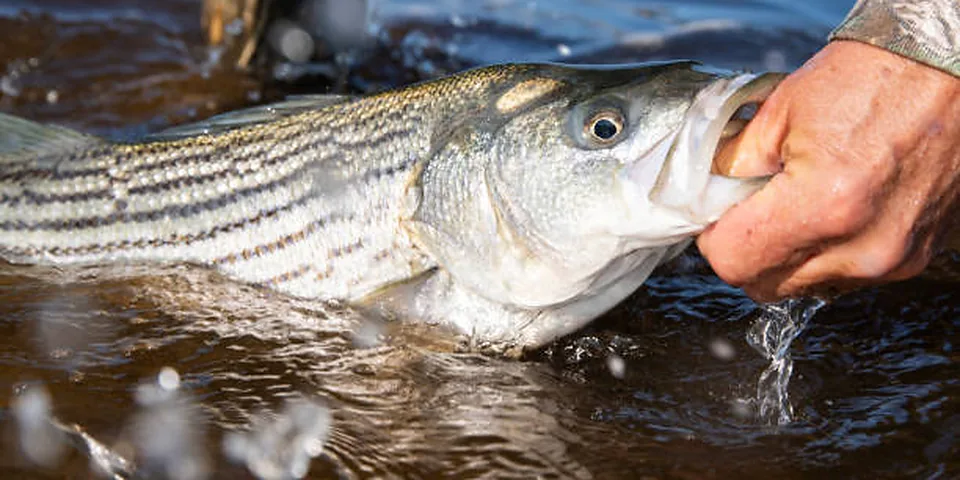
Keep the net wet. Guide the fish head first into the hoop, then lift after it is fully inside. Do not stab, swing, or drag the bag over a dry surface. Support the body with two wet hands, avoid the gills, eyes, and belly, and do not hold a large fish vertically by the jaw.
For catch and release, remove the hook in the water when practical. If you need a photo, keep the fish low over a wet surface, take it quickly, and return the fish to the water.
Storage, Cleaning, and Corrosion
Rinse off slime, weeds, sand, and salt. Shake out excess water, open or extend the handle so it can drain, and dry the net in a ventilated place. Do not fold a wet net into a sealed tackle box.
Inspect the hoop for cracks, sharp edges, loose fasteners, frayed nylon, torn rubber, stretched seams, and hook damage. Replace or repair the net when a fish could escape or the frame cannot support the expected load.
Keep the net easy to reach. The Tackle Box Essentials checklist can help reserve a dry place for landing and hook-removal tools. Store saltwater nets away from electronics and other moisture-sensitive items.
Common Beginner Mistakes
Common mistakes include choosing by folded size alone, using a short handle from a high bank, leaving a wet nylon bag in a closed box, and netting from behind. A tiny net may be convenient until its opening cannot fit the target fish.
Test the net with your usual rod and landing position. Open it, extend the handle, check the lock, and practice moving it through the water before the first serious trip.
FAQ
What size fishing net should a beginner buy?
Choose a hoop wider than the target fish’s body and deep enough to contain it. A medium hoop suits many bass and walleye trips; small fish need less, and larger species need more opening and bag depth.
Is rubber mesh better than nylon?
Neither is best for every situation. Rubberized mesh is easy to rinse and often resists hook snags; nylon is light and compact. Choose based on fish, lure, storage, and cleaning routine.
How long should a landing-net handle be?
Use the shortest handle that safely reaches the fish. Kayaks need compact reach; high banks, docks, and piers may need more. Never choose a length that makes you lean into an unstable position.
Do beginners need a landing net for small fish?
Not always. It becomes more useful on steep shorelines, with treble-hook lures, or when lifting by the line could cause a problem.
How do I use a net without hurting a fish?
Wet the mesh and your hands, guide the fish head first, support it, avoid the gills, and limit time out of water. Do not drag it over dry ground or lift it by a small mesh section.
What should I look for in a saltwater landing net?
Choose parts that are easy to rinse and inspect. Remove salt and sand after every trip, drain the handle, dry the mesh, and check for corrosion.
Source Checklist
Before choosing or using a landing net, verify:
- Target species, expected size, and body shape
- Bank, boat, kayak, dock, or pier landing position
- Required handle reach and available storage
- Hoop opening and bag depth
- Mesh size and lure-hook compatibility
- Rubberized, knotless nylon, or other mesh needs
- Wet-fish handling and catch-and-release plan
- Freshwater rinse and saltwater corrosion routine
- Current harvest, measurement, and release rules
Use current local fishing regulations and species-specific handling guidance as the final authority. A landing net is a handling tool, not a substitute for a license, harvest rule, or safe access decision.
Related Reading
- Fishing Gear for Beginners
- Best Fishing Rods for Beginners
- Saltwater Fishing Gear for Beginners
- Tackle Box Essentials
CTA
Choose a net that fits your target fish and landing position, then practice opening, extending, and rinsing it before the trip. Keep it wet, reach for the fish head first, and store it dry so the net is ready when the next catch matters.