
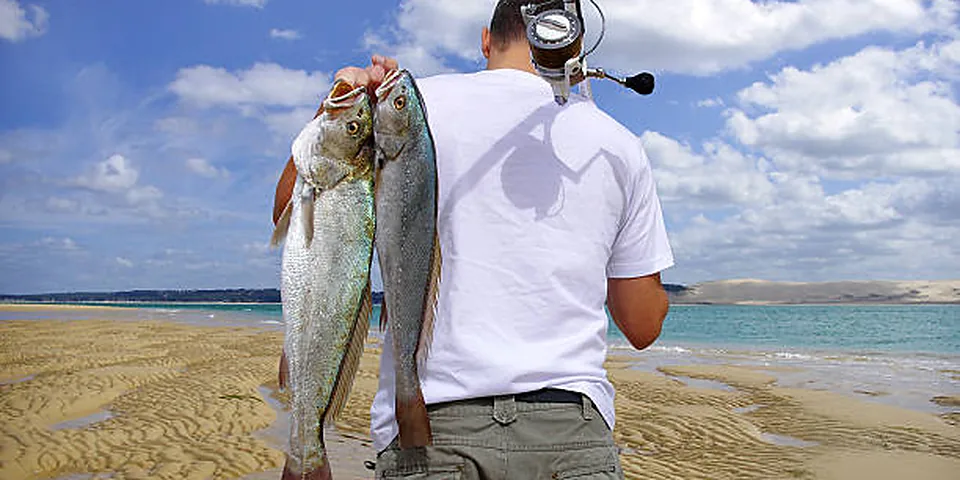
The best tackle bag for a beginner is the one that keeps essential gear organized, dry enough for the conditions, and easy to reach without carrying a full store of lures. The right choice depends less on a brand name than on how you fish.
A bank angler may want a backpack or shoulder bag that leaves both hands free. A pier angler may prefer a stable soft bag with quick top access. A kayak angler usually needs a compact, low-profile bag that fits inside the boat without interfering with paddling or safety equipment.
Quick Answer
Choose by fishing style:
| Fishing style | Best starting format | What matters most |
|---|---|---|
| Bank fishing | Backpack, sling, or compact shoulder bag | Hands-free carry and comfortable walking |
| Pier fishing | Soft shoulder bag or structured tote | Fast access and stable placement |
| Kayak fishing | Low-profile soft bag or small waterproof box | Fit, water resistance, and secure storage |
| Short trips | Small two-tray or one-compartment bag | Avoiding unnecessary weight |
| Mixed freshwater trips | Medium soft tackle bag | Flexible tray sizes and easy organization |
Start with the Tackle Box Essentials checklist, then choose a bag that holds those items without forcing you to overpack.
Soft Bag or Hard Box?
Soft Tackle Bags
Soft bags are usually lighter and easier to carry. Many accept removable trays, have exterior pockets for tools, and can fit into narrow spaces. They are a strong default for bank, pier, and kayak fishing.
The tradeoff is structure. A soft bag may collapse when empty, absorb water if the fabric is not treated, and offer less protection for fragile items. Look for a reinforced base and a zipper that can be operated with one hand.
Hard Tackle Boxes
Hard boxes protect lures and terminal tackle from being crushed. They are useful when the bag will sit in a truck, boat compartment, or gear locker and when you want to see multiple compartments at once.
The tradeoff is bulk. A hard box can be awkward to carry over a long bank route and may waste space in a kayak. It also does not automatically keep water out unless the lid and gasket are designed for that purpose.
Hybrid Setup
Many beginners do well with one soft bag and two or three hard trays. This gives you structure for hooks and lures while preserving flexible carry and storage.
Capacity Without Overpacking
Bag capacity is often described in liters or by the number of trays it holds, but those numbers do not tell the whole story. Two bags with the same nominal capacity may feel very different if one uses thick padding or large exterior pockets.
For a first setup, consider:
- One tray for terminal tackle
- One tray for active lures
- One small space for spare line and tools
- A pocket for license proof, keys, and phone
- Room for water and a small snack if walking
A small bag is easier to carry and encourages better selection. A medium bag makes sense if you fish multiple species or need rain gear, a camera, or safety equipment. Large bags are useful for a vehicle-based base camp, but they are rarely the most comfortable choice for moving along a shoreline.
Choose the Carry Style
Backpack
A backpack distributes weight across both shoulders and keeps hands free. It works well for bank fishing, uneven trails, and longer walks. Check whether the zipper pulls and pockets can be reached without removing the bag.
Sling
A sling is compact and fast to rotate from back to front. It suits short trips with a small lure selection, but it can become uncomfortable if the load gets heavy or unbalanced.
Shoulder Bag
A shoulder bag gives quick access and often fits beside a chair, pier rail, or kayak seat. The downside is one-sided loading. A padded, adjustable strap helps, especially when the bag contains metal lures and tools.
Tote or Open Carry Bag
A tote offers fast access and can hold bulky items, but it is less secure while walking and more exposed to rain. Use it when the bag stays near you rather than moving over long distances.
Bank Fishing Features
Bank fishing puts more stress on comfort and mobility than many beginners expect. Look for:
- Padded straps
- A stable base
- Water-resistant fabric
- Exterior tool loops
- A pocket for pliers and line cutters
- Compression or cinch points that keep contents from shifting
- Reflective details if you fish in low light
Avoid hanging a heavy bag from a branch, fence, or private structure. Keep the bag in your own access area and away from the waterline if a sudden rise or wave could sweep it away.
Pier Fishing Features
A pier bag should open quickly and remain stable on a flat surface. A wide base, a top-access zipper, and a small number of easy-to-reach compartments are more useful than a large number of tiny pockets.
Choose a bag with a secure strap or handle. Wind, crowded walkways, and moving anglers can turn an unsecured bag into a trip hazard. Keep hooks and lures closed or covered when they are not in use.
Kayak Fishing Features
Kayak storage is a fit and safety problem before it is a capacity problem. Measure the compartment or tankwell first. Then check:
- Whether the bag fits below the paddle stroke
- Whether it can be secured with a leash or strap
- Whether it blocks a hatch, drain, or emergency access point
- Whether the material tolerates splash and damp storage
- Whether the bag can be opened while seated
- Whether sharp hooks are protected inside trays
Do not use a tackle bag to replace a personal flotation device, whistle, light, or other required safety equipment. Fishing storage belongs where it will not interfere with a safe exit or capsize recovery.
Waterproofing and Drainage
Water-resistant is not the same as waterproof. A coated fabric may handle spray and light rain, while a sealed dry bag or gasketed box is designed for more serious exposure.
Use this hierarchy:
- Keep licenses, phone, keys, and medication in a separate waterproof pouch.
- Store lures and tools in trays that can drain or dry.
- Choose a bag with a raised base for wet docks and kayak decks.
- Open and dry the bag after each trip.
- Inspect zippers, seams, and tray lids when the bag has been soaked.
Saltwater anglers should rinse the bag, trays, and tools with fresh water after use. The Saltwater Fishing Gear for Beginners guide covers the broader care problem, including corrosion-prone tackle.
What to Keep Inside
A useful beginner loadout is compact:
- One tray of lures matched to the species and water
- Hooks, swivels, weights, and bobbers
- Spare line
- Pliers or forceps
- Line cutters or small scissors
- Measuring tool
- Soft tape or lip gripper only when appropriate for the species
- Sunscreen and a small first-aid item
- Water and a snack
- License proof and identification
- Small trash bag for line and packaging
Do not put wet fish, bait water, or open liquids inside the same compartment as dry terminal tackle. Separate food, electronics, and documents from hooks and metal tools.
Organization That Saves Time
Label trays by use rather than by lure color. For example:
- Terminal tackle
- Small hard baits
- Soft plastics
- Freshwater backup
- Saltwater or heavy tackle
After a trip, return only clean and dry items to the bag. Remove damaged hooks, rusty swivels, empty packaging, and lures you did not use. A smaller, current kit is easier to audit before leaving home.
Keep an Active Tray
An active tray holds the lures you are using that day. Store the rest in a larger home box or vehicle bin. This reduces the weight on a bank walk and lowers the chance of losing your whole collection near the water.
Features Worth Paying For
Spend more when a feature solves a real problem:
- Strong zipper hardware
- A reinforced, washable base
- Reliable tray fit
- Comfortable straps
- Secure attachment points
- Water-resistant material appropriate to your conditions
Do not pay extra for dozens of pockets you will not use. The most expensive bag is not automatically the most durable, waterproof, or comfortable. Check the actual dimensions and return policy before ordering because tray sizes and bag openings vary.
Tackle Bag Selection Checklist
- Matches your fishing style
- Fits the storage space in your vehicle or kayak
- Comfortable when fully loaded
- Holds the number and size of trays you need
- Has a stable base
- Protects documents and electronics separately
- Allows wet items to dry
- Has tool storage that is secure but reachable
- Can be rinsed or cleaned
- Does not block safety equipment or emergency access
Common Beginner Mistakes
Buying too much capacity
An oversized bag invites unnecessary weight and makes small items harder to find. Start with the kit you actually use.
Treating water resistance as waterproofing
Keep valuables in a separate waterproof pouch even when the bag claims to resist rain.
Mixing wet and dry tackle
Moisture trapped in a closed bag accelerates rust. Open the bag after the trip and dry trays before storage.
Carrying the bag by a weak pocket
Use the main handle or shoulder strap when the bag is loaded. Exterior pockets are for access, not always for lifting.
Ignoring access and safety
A bag placed under a paddle, beside a narrow pier walkway, or in front of a kayak hatch can create a hazard. Storage should support the trip, not control it.
FAQ
What size tackle bag should a beginner buy?
A small or medium bag is usually enough for one or two species and a short trip. Choose the smallest size that holds your core tackle, tools, license proof, and safety items without forcing them into one compartment.
Are soft tackle bags better than hard tackle boxes?
Neither is universally better. Soft bags are lighter and more flexible, while hard boxes protect lures and organize small items clearly. A soft bag with removable trays is a practical compromise.
What is the best tackle bag for kayak fishing?
Choose a low-profile bag that fits the kayak storage area, resists splash, can be secured, and does not block a hatch, drain, paddle stroke, or safety item. Measure the space before buying.
How do I keep a tackle bag from rusting?
Let wet trays and tools dry before closing the bag, separate bait and wet fish, rinse saltwater gear with fresh water, and replace corroded hooks and swivels.
Should a tackle bag hold my fishing license?
It can hold a printed license or a license card, but keep digital proof and identification in a protected phone or waterproof pouch. The Fishing License in Apple Wallet guide explains why a digital copy may not replace the official credential.
Source Checklist
- Manufacturer dimensions and tray compatibility
- Materials, zipper, base, and drainage details
- Return policy and warranty
- Your vehicle, pier, bank, or kayak storage measurements
- State license proof and identification requirements
- Water-specific tackle and access restrictions
- Freshwater or saltwater cleaning needs
Related Reading
- Tackle Box Essentials
- Fishing Gear for Beginners
- Best Fishing Rods for Beginners
- Fishing License in Apple Wallet
- Saltwater Fishing Gear for Beginners
CTA
Measure your storage space, build a small active tackle kit, and choose a bag that protects the gear you actually use on the water.