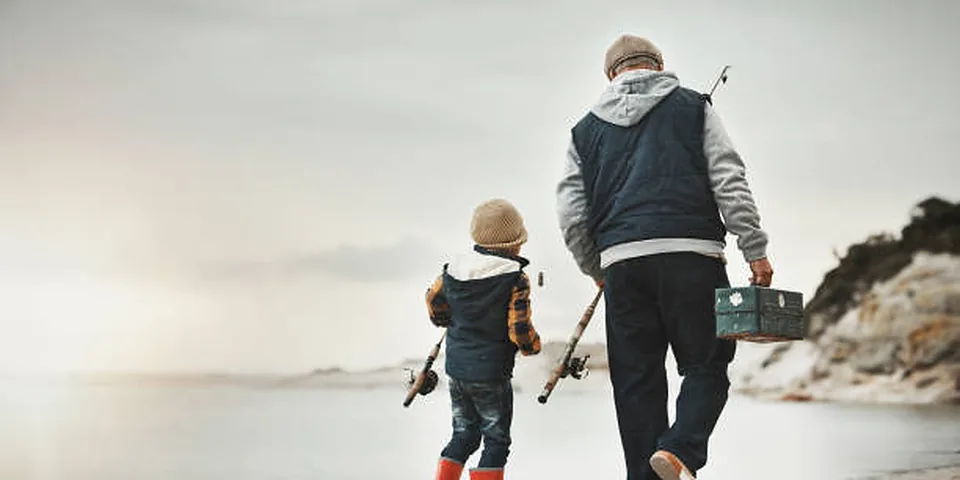
Bluegill are a strong first target for new anglers because they live in many ponds, lakes, canals, and slow-moving waters. They often respond to small natural baits, simple jigs, and a bobber that makes a bite easy to see.
Beginner success usually comes from keeping the rig small, fishing near cover, and changing depth when the bite stops. Before keeping fish, check the license, size, daily limit, bait, and access rules for the exact water.
Quick Answer
For a first bluegill trip:
- Confirm your fishing license or a valid exemption.
- Use a light spinning rod or simple panfish setup.
- Start with a small hook, worm or artificial bait, and a bobber.
- Fish near weeds, docks, shade, brush, or a protected shoreline.
- Change depth before changing every lure in the tackle box.
- Check the current bluegill and sunfish limit before harvesting.
Bluegill regulations can be written under panfish, sunfish, or a named lake rule. Do not rely on a statewide summary if the water has special regulations.
Do You Need a License?
Many public waters require a state fishing license, but age, private-water, free-fishing, disability, and other exemptions can apply. The exemption may be limited to a particular person or location.
Use the U.S. Fishing License Guide to identify the state agency, then verify the current rule for your pond, lake, canal, or river. If you think an exemption applies, read its conditions carefully.
The When Can You Fish Without a License? guide explains why “no license” answers often depend on age, water ownership, access, date, or event rules.
Beginner Tackle
| Item | Simple starting choice | Why it works |
|---|---|---|
| Rod | 5 to 7 foot light spinning rod | Casts small bait and detects light bites |
| Reel | Small spinning reel | Easy line management |
| Line | 2 to 6 pound monofilament | Soft and suitable for small rigs |
| Hook | Small panfish hook | Matches the bait and mouth size |
| Bobber | Small fixed bobber | Shows bites and controls depth |
| Weight | Small split shot | Holds the bait below the float |
| Bait | Worm, cricket, small insect, or legal artificial bait | Easy to present near cover |
The Best Fishing Rods for Beginners guide can help if you are buying a rod for more than one species. A heavy bass setup can catch bluegill, but it may make small baits harder to cast and light bites harder to notice.
Bait Choices
Worms
A small piece of worm is a practical choice for a first trip. Use enough bait to cover the hook point without creating a large, heavy bundle.
Crickets and Insects
Crickets and other natural baits can work well around vegetation and shallow cover. Keep bait fresh and follow any local rules about collection, transport, or use.
Artificial Baits
Small soft plastics, tiny jigs, and flies allow repeatable casts without carrying live bait. The Best Bait for Freshwater Fishing guide offers a broader way to compare natural and artificial choices.
Never release unused bait, minnows, or aquarium species into the water. Dispose of bait according to local rules and keep water from one lake out of another.
Hook and Bobber Setup
A basic rig is:
- Tie the hook to the main line or a short leader.
- Add a small split shot above the hook if needed.
- Place the bobber above the weight at a chosen depth.
- Bait the hook lightly.
- Cast beside cover rather than directly into the thickest branches.
Start 1 to 3 feet down in warm, shallow, or low-light conditions. Move deeper if the water is clear, cold, bright, or heavily fished. When the bobber moves, lift the rod smoothly and keep steady pressure.
Where to Fish
Bluegill often use:
- Weed edges
- Shallow coves
- Docks and shade
- Fallen trees
- Brush
- Riprap
- Overhanging grass
- Creek mouths
- Protected water near spawning areas
The best-looking cover is not always the best fishing spot. Look for insects, small baitfish, shade, and a depth change nearby. From shore, prioritize legal access and a safe casting lane.
Bank Fishing
Bank anglers can cover several spots with a light setup. Start near the bank, especially beside shade or cover, then cast farther only when the shallow water is quiet.
Do not cross fences, enter closed areas, or stand on private structures without permission. A short walk to a legal public access point is better than a perfect-looking spot you cannot use.
Dock and Pier Fishing
Docks provide shade and structure, but hooks can snag posts and ropes. Make controlled casts and keep the hook covered when walking near other people.
Boat and Kayak Fishing
A boat lets you change depth and approach cover from different angles. Keep tackle secure and avoid placing small hooks where they can interfere with paddling or safety equipment.
Seasonal Pattern
Bluegill behavior changes with water temperature and food availability.
Spring
Shallow, protected areas can become active as water warms. Vegetation, coves, and firm bottom areas may attract fish, but local timing varies.
Summer
Early morning, evening, shade, and deeper edges can be more comfortable and productive. Fish may move away from exposed shallow water during bright, hot periods.
Fall
Cooling water can bring activity back toward feeding areas. Check points, weed lines, creek mouths, and cover near deeper water.
Winter
Slow presentations and deeper structure may work better. Fish activity can be limited, so keep the bait still longer before moving.
Handling and Harvest
Bluegill are easy to catch, but their small size makes careful handling important. Wet your hands before touching a fish, support it close to the water, and remove the hook with pliers when needed.
Before keeping fish:
- Confirm the species category
- Check the daily and possession limit
- Check any minimum length or special lake rule
- Confirm whether a report card or tag applies
- Keep fish cool if harvest is legal
- Release unwanted fish quickly
The Fishing License Tags and Report Cards guide explains why some waters add reporting or validation steps. Keep the current regulation available while fishing.
A Simple First-Trip Plan
Use one rig and three nearby spots:
- Start at shallow cover with the bait 2 feet down.
- Make five controlled casts around the edge.
- Move the bobber deeper if there is no bite.
- Walk or paddle to the next cover type.
- Repeat the same depth test.
- If you catch one, try the same depth nearby before changing lures.
This approach teaches you how depth and cover affect the bite without creating too many variables.
Bluegill Checklist
- Current license or confirmed exemption
- Light rod and small spinning reel
- 2- to 6-pound line
- Small hooks
- Bobbers and split shot
- Worms, crickets, or legal artificial bait
- Pliers or forceps
- Measuring tool if the water has size rules
- Water and sun protection
- Safe access and permission
- Cooler only if legal harvest is planned
Common Beginner Mistakes
Using hooks that are too large
Large hooks can make a small bait look unnatural and reduce hookups. Match hook size to the bait and fish.
Fishing only in open water
Bluegill often relate to shade, weeds, brush, and dock edges. Search cover and nearby depth changes.
Leaving the bobber at one depth
A change of a foot can matter. Adjust depth before buying more lures.
Handling fish with dry hands
Wet hands help reduce damage to the fish’s protective coating. Keep the fish close to the water.
Assuming every sunfish is regulated the same way
The booklet may group species differently or impose special rules on named waters. Identify the exact category and location.
FAQ
What is the best bait for bluegill?
Small worms, crickets, insects, and compact artificial baits are common starting choices. Use the option that is legal and available for the water.
What size hook should I use for bluegill?
Use a small panfish hook matched to the bait and the fish size. The exact size depends on the hook design and bait, so start small and adjust if the bait cannot stay secured.
How deep should I fish for bluegill?
Start shallow near cover, then change depth in small steps. Water temperature, light, season, and fishing pressure can move fish.
Can children fish for bluegill without a license?
Some states exempt children below a stated age, while others have different rules for private ponds or free-fishing events. Verify the current state rule.
Do bluegill have a size or daily limit?
The rule varies by state and water. Check the current panfish or sunfish section and any named-lake regulation before keeping fish.
Source Checklist
- State license and exemption page
- Current panfish or sunfish regulation
- Named-water or district rules
- Bait collection, transport, and release rules
- Size, creel, possession, tag, and reporting requirements
- Public access and private-property information
Related Reading
- U.S. Fishing License Guide
- When Can You Fish Without a License?
- Best Bait for Freshwater Fishing
- Best Fishing Rods for Beginners
- Fishing License Tags and Report Cards
- Fishing License Fines and Penalties
CTA
Bring a light bobber rig, start near legal cover, and verify the current bluegill limit before keeping your catch.