
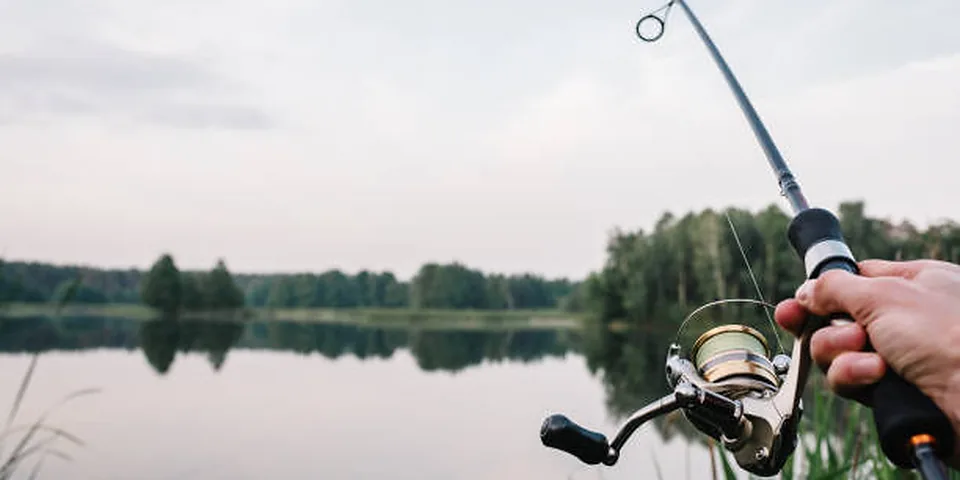
Catfish fishing is approachable for beginners because the basic setup can be simple, the bait is familiar, and many catfish waters are accessible from shore.
You do not need a boat or a large collection of specialized lures to begin. A sturdy rod, suitable line, a legal bait, a simple bottom rig, and a current fishing license can be enough for a first trip.
Catfish rules vary by state, species, water, season, and fishing method. Check the official rules before keeping fish or fishing after dark.
Start with Fishing Gear for Beginners and the U.S. Fishing License Guide.
Quick Beginner Setup
For a general freshwater catfish trip, consider:
- Medium or medium-heavy rod
- Spinning or spincast reel
- Line matched to the cover and target fish
- Hook size matched to the bait
- Sinker and swivel
- Legal bait
- Pliers and line clippers
- Measuring tape
- License proof
- Headlamp for evening trips
Start light enough to cast comfortably and strong enough to control the fish near cover.
Catfish License Basics
Before fishing, confirm:
- State and water
- Resident or nonresident status
- Freshwater license
- License duration
- Age rules
- Species limits
- Rod, line, or hook limits
- Bait collection and transport rules
- Night access and park hours
- Size and bag limits
Catch-and-release does not automatically eliminate the license requirement. The act of fishing may be regulated even when no fish is kept.
Use Fishing License Fees by State and When Can You Fish Without a License? as starting points.
Catfish Types for Beginners
You may encounter different catfish species depending on the region:
- Channel catfish
- Bullhead catfish
- Flathead catfish
- Blue catfish
- Other local species
Species affect bait, tackle, size, harvest rules, and handling. Do not assume that a rule for one catfish species applies to another.
Learn the local identification guide before keeping a fish.
Choose the First Water
Good first catfish water has:
- Public bank access
- Safe parking
- Stable shoreline
- Clear rules
- A realistic target species
- Reasonable night access if you plan to fish after sunset
- A backup location
Lakes, ponds, rivers, reservoirs, and managed urban waters can all hold catfish. Choose the water that is easiest to reach legally rather than the one with the biggest rumored fish.
Do not trespass for a better-looking spot. Confirm that the access point is public and open.
Rod and Reel
Rod Power
A medium rod can work for smaller catfish and open water. A medium-heavy setup provides more control around cover or larger fish.
Spinning Setup
Spinning gear is a practical beginner choice. It handles bait rigs, casts from shore, and is easy to maintain.
Spincast Setup
Spincast gear can be useful for children or occasional anglers. Confirm that the reel and line capacity match the bait and sinker.
Specialized Heavy Gear
Heavy rods, large reels, and strong line may be appropriate for large river or reservoir fish. They are not necessary for every first trip and can make light bait difficult to cast.
See Best Fishing Rods for Beginners.
Line, Hooks, and Sinkers
Choose line based on:
- Target species
- Cover
- Current
- Casting distance
- Rod and reel rating
Use a hook that fits the bait and fish. A larger hook is not automatically better. Check local rules for hook type, number of hooks, and bait rigs.
Sinker weight should hold the bait where you want it without making the rig impossible to cast. In current, use only as much weight as needed.
Simple Catfish Rigs
Slip-Sinker Rig
A slip-sinker rig lets the fish move with the bait before the angler responds. It can be useful on the bottom when the current and rules allow it.
Bobber Rig
A bobber can work in shallow water, near cover, or when catfish are feeding higher in the water column. It also helps beginners see movement.
Float and Drift
In some water, a float can move bait along a shoreline or current. Use it only where the method is safe and legal.
Learn one rig at home, tie a spare, and avoid carrying every possible setup.
Catfish Bait
Common bait categories may include:
- Worms
- Prepared bait
- Cut bait
- Legal live bait
- Local natural bait
The state may regulate bait collection, transport, fish parts, or the movement of live organisms between waters. Check the rules before collecting or transporting bait.
Do not release unused bait into a new waterbody. Dispose of it according to local guidance.
Use Best Bait for Freshwater Fishing for a broad starting comparison.
Where to Cast
From shore, try:
- Deep edges
- Drop-offs
- Creek mouths
- Current seams
- Shade
- Cover
- Outside bends
- Structure
- Areas where baitfish may gather
Do not trespass or cast into unsafe current. Watch the line and keep the rod secured when waiting.
Catfish can bite slowly, but they can also move decisively. Keep the drag ready and use a rod holder only when it is safe and legal.
Night Fishing Rules and Safety
Night fishing may be legal in some places and restricted in others.
Check:
- Water access hours
- Park closing time
- Night fishing rules
- Lighting requirements
- Special area restrictions
- Boat and launch hours
- Fire and camping rules
- Species and method limits
Safety essentials:
- Headlamp with spare batteries
- Charged phone
- Reflective or visible clothing
- First-aid kit
- Water
- Clear path back to the vehicle
- Someone who knows your location
- No wading in unfamiliar dark water
Do not walk a steep bank or enter moving water after dark just to retrieve a rig.
Fish Handling and Harvest
Before keeping a catfish, confirm:
- Species identification
- Minimum or maximum size
- Daily bag limit
- Possession limit
- Gear limit
- Cleaning and transport requirements
- Whether the water has a special regulation
Use pliers to remove hooks and support the fish correctly. Catfish spines can injure hands. A towel or fish-handling tool can help, but do not squeeze or drag the fish unnecessarily.
See Fishing Gear for Beginners for a general tool list.
First Catfish Trip Checklist
Common Mistakes
Using Too Much Weight
Heavy sinkers can reduce casting control and make a beginner setup uncomfortable.
Leaving Bait Unattended
Keep the area clean and the bait secure. Do not leave fish or food in unsafe temperatures.
Assuming Night Fishing Is Always Allowed
Park and water access hours may end before the fish stop biting.
Handling Spines Carelessly
Learn where the sharp spines are and use pliers or a towel when appropriate.
Keeping Fish Before Identifying Them
Identify the species first, then check the current size and bag rules.
Fishing Only One Spot
If the access is safe and legal, try different depths, edges, and structure before changing every piece of tackle.
FAQ
What is the best rod for beginner catfish fishing?
A medium or medium-heavy spinning setup is a practical starting point for many freshwater trips. Match it to the target species, cover, bait, and water conditions.
What bait is best for catfish?
Worms, prepared baits, cut bait, and legal local bait can all work depending on the species and water. Check bait rules before collecting or transporting it.
Can I fish for catfish at night?
Sometimes. Confirm water access hours, park rules, lighting requirements, seasonal restrictions, and special regulations before fishing after dark.
Do I need a fishing license for catch-and-release catfish?
Usually you should assume a license is required unless the official state rule says otherwise. Catch-and-release does not automatically remove the license requirement.
What should I bring for night catfish fishing?
Bring a current license, working rod and reel, legal bait, pliers, measuring tape, headlamp, spare batteries, phone, water, warm or weatherproof clothing, and a safe route back to the vehicle.
Can children fish for catfish?
Yes, when the water, access, gear, and supervision are appropriate. Check youth license rules and keep hooks, sinkers, and spines under adult control.
Source Checklist
Before a catfish trip, verify:
- Current fishing license requirement
- Species identification
- Size and bag limits
- Rod, hook, line, and bait rules
- Bait collection and transport
- Night fishing and access hours
- Public access and parking
- Weather, lightning, flood, and current risk
- Fish handling, cleaning, and transport guidance
Related Reading
- Fishing Gear for Beginners
- Best Fishing Rods for Beginners
- Best Bait for Freshwater Fishing
- Fishing License Fees by State
- Fishing License Fines and Penalties
CTA
Choose one public catfish water, learn one simple legal rig, and confirm the night-access rules before you pack a headlamp.