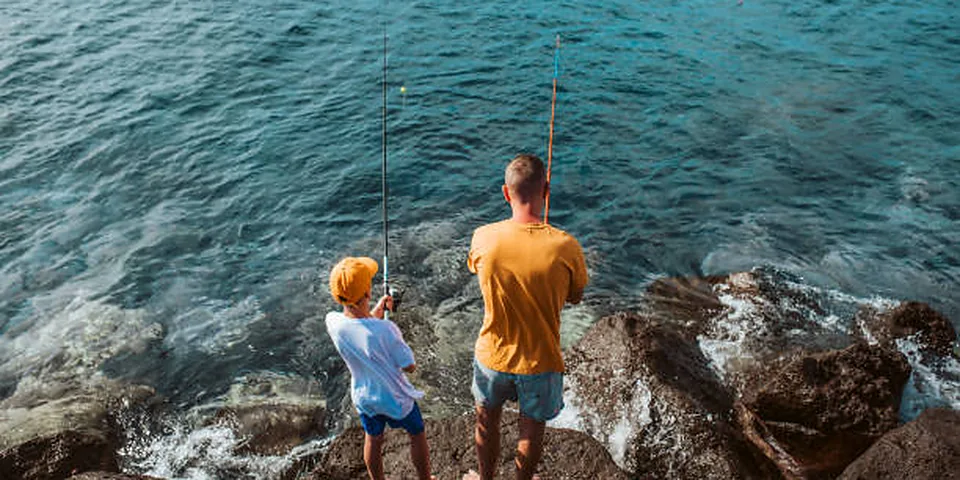
Wind can make a good bank-fishing spot feel impossible. The line bows, the bobber drifts, small lures fail to cast, and a rig that worked in calm water starts catching weeds or branches.
The answer is usually not simply adding more weight. Fish the protected side when it is safe, lower the line angle, cast with the wind or across it, and use a rig that reaches the target without creating a large belly of slack line.
Quick Answer
To fish a windy bank:
- Check whether the wind, waves, lightning, or footing make the bank unsafe.
- Choose a protected casting position when possible.
- Cast with the wind or at a manageable crosswind angle.
- Use enough weight to control the bait, not so much that it snags constantly.
- Keep the rod tip low and the line close to the surface when the method allows it.
- Retrieve steadily and manage slack immediately.
- Carry spare hooks, weights, and line because wind increases mistakes.
Wind can also improve fishing by pushing insects, plankton, and bait toward one shoreline. A windy bank is not automatically a bad bank.
Start With Safety
Before changing the rig, decide whether the location is safe. Leave or move away from the exposed edge when:
- Lightning is nearby
- Waves are breaking over the bank
- The bank is undercut or slippery
- Wind makes casting uncontrollable
- A kayak, dock, or structure is moving dangerously
- You cannot maintain secure footing
- A storm or flood warning is active
Do not stand on a wet rock, narrow jetty, or unstable shoreline to gain a better angle. A lost lure is cheaper than a fall.
Confirm access and permission before moving to a different bank. The Fishing Gear for Beginners guide covers a compact bank-fishing setup.
Understand the Wind Direction
Stand with the water in front of you and identify whether the wind is:
- Blowing toward the bank
- Blowing away from the bank
- Moving parallel to the shoreline
- Coming over your casting shoulder
- Hitting your face or non-casting side
Wind toward the bank can push food and baitfish into the shoreline, but it may also create waves and tangled line. Wind away from the bank can make casting easier while moving surface food away from you.
Use a simple observation:
- Watch floating leaves or foam.
- Watch where insects and small debris collect.
- Check whether the surface has a clean or muddy edge.
- Cast a light practice weight and observe the line belly.
Choose the side that offers both fish activity and safe control.
Pick a Better Casting Angle
Straight into a strong headwind is usually the hardest cast. Try:
- Casting with the wind
- Casting at a 30- to 45-degree crosswind
- Casting parallel to the bank
- Casting toward the downwind side of a point
- Casting from behind a windbreak
Avoid casting over people, roads, trails, boats, or private property. Wind can carry a lure farther and make it harder to stop accurately.
If your lure keeps landing in the weeds, shorten the cast and work the near edge first. Distance is not useful if the presentation cannot be controlled.
Adjust the Rig, Not Just the Weight
A heavier weight can help, but it can also bury the hook in rocks or vegetation. Change the whole presentation when necessary.
| Problem | Better adjustment |
|---|---|
| Bobber drifts too fast | Use a controlled slip setup, adjust depth, or move to a protected angle |
| Bait blows back toward shore | Add modest weight or cast with the wind |
| Line forms a large belly | Lower the rod tip and remove slack |
| Small lure cannot reach the target | Use a slightly heavier lure or a more aerodynamic shape |
| Rig snags repeatedly | Reduce weight, move to the edge of cover, or change angle |
| Hook keeps fouling | Shorten the bait, change hook position, or use a weedless presentation where legal |
The Best Fishing Line for Beginners guide covers how line diameter, stretch, and spool condition affect casting and control.
Bobber Fishing in Wind
Bobbers can be useful in wind, but the float may move faster than the bait and make bite detection difficult.
Try:
- A smaller float that matches the weight
- A slip bobber for deeper water
- Enough weight to keep the bait below the surface chop
- A slightly deeper bait presentation
- Casting upwind and letting the rig settle
- Keeping the rod tip low after the rig lands
Do not keep adding weight until the bobber is almost submerged. A float that is overloaded becomes hard to read and can make the bait unnatural.
If the wind creates too much line drag, switch to a bottom or slow-retrieve presentation when legal and appropriate.
Lure Fishing in Wind
Wind can make light lures difficult to cast and easy to lose. Choose a lure with enough mass to reach the target while still matching the fish.
Helpful changes:
- Use a compact lure with a lower air profile
- Choose a slightly heavier jig or spinner
- Keep the retrieve steady
- Pause only when you can maintain contact
- Use a lure color you can see in the surface glare
The Best Bait for Freshwater Fishing guide can help compare natural and artificial options when wind changes the presentation.
Do not throw a lure heavier than the rod or line is designed to handle. Check the rod’s lure range before changing weight.
Keep the Rod Tip Low
Wind catches line above the water. Lowering the rod tip can reduce the amount of line exposed to the air, especially when fishing a lure or bottom rig.
Use a higher rod position only when you need to keep line above weeds, rocks, or a shallow obstacle. The correct height depends on the bottom and presentation.
After the cast:
- Close the bail or engage the reel.
- Remove obvious slack.
- Point the rod toward the line or lure.
- Maintain gentle tension.
- Watch the line, not just the rod tip.
With monofilament, stretch can hide a small bite. With braid, a sudden gust can move the visible line even when the lure has not moved.
Control the Line Before It Reaches Cover
Wind creates slack that can wrap around:
- Rod guides
- Reels
- Branches
- Dock posts
- Shoreline weeds
- Your feet
- Other people’s equipment
As soon as the rig lands, check the line path. Keep loose coils off the ground and away from the waterline. Reposition the rod rather than pulling hard if the line catches a branch.
Use the reel drag instead of locking down and tearing a hook free. A controlled pull can save the rig and protect light line.
Bank Positioning
Small changes in where you stand can improve control:
- Stand behind a tree or low windbreak when legal
- Move a few steps away from the exposed point
- Keep the wind at your back for practice casts
- Fish a sheltered cove or inside bend
- Avoid casting from the highest exposed bank
- Keep a clear path behind the rod
Do not move into a closed area, private yard, or unsafe edge. A good position must be legal and stable.
Recovering a Snag Safely
When a rig snags in wind:
- Point the rod toward the snag.
- Reduce the angle between line and lure.
- Stop jerking the rod tip.
- Try a slow side pull.
- If you must pull, protect your hands and keep people clear.
- Cut the line if the snag cannot be released safely.
Never wrap line around your hand or body. Use pliers for terminal tackle and dispose of cut line in a bag.
Pack a Wind-Ready Backup Kit
Bring:
- Spare hooks
- Split shot or sinkers
- Extra bobbers
- Fresh line
- Pliers and line cutters
- One compact lure option
- A towel for wet hands
- Eye protection and a hat secured against gusts
- Weather layer
The Fishing Gear for Beginners guide covers the basic items worth keeping in a small bank kit.
Windy Bank Checklist
- Wind direction checked
- Lightning and storm conditions checked
- Legal, stable casting position selected
- Rod and lure limits checked
- Casting angle chosen
- Rig weight matched to the bottom
- Rod tip and line belly controlled
- Spare terminal tackle packed
- Hooks and cut line secured
- Exit route kept clear
Common Mistakes
Throwing directly into the strongest wind
Change the angle or move to a protected position before adding weight.
Using too much weight
A heavy rig can cast farther but may snag, damage light tackle, and make the bait unnatural.
Holding the rod high all day
High rod tips expose more line to the wind. Lower the tip when the bottom and presentation allow it.
Ignoring the downwind shoreline
Wind can gather food and bait near one bank. Watch surface clues before rejecting a windy side.
Pulling snags with bare hands
Use the rod angle and controlled pressure first. Cut the line rather than risking an injury.
FAQ
Is windy weather good for bank fishing?
It can be. Wind may push food and bait toward a shoreline, but strong wind can create unsafe waves, poor footing, and difficult line control. Choose the safest productive angle.
How do I keep a bobber from drifting in the wind?
Use enough weight to stabilize the bait, adjust depth, lower the rod tip, and cast from a protected angle. Do not overload the float.
Should I use heavier line in the wind?
Not automatically. Heavier line can resist some abrasion but may reduce casting distance and create more air resistance. Match line to the fish, cover, rod, and lure.
What is the easiest cast in a strong wind?
A cast with the wind or a manageable crosswind is usually easier than a direct headwind cast. Shorten the distance until you can control the lure.
How do I stop losing lures on a windy bank?
Use a compact lure or bait rig, control slack, fish the edge of cover, reduce unnecessary weight, and change the casting angle. Carry spare terminal tackle.
Source Checklist
- Current weather, wind, lightning, and water conditions
- Access, permission, parking, and closure information
- Rod and lure weight limits
- Line and knot condition
- Local bait, hook, and harvest rules
- Safe bank, pier, or shoreline route
Related Reading
- Fishing Gear for Beginners
- Best Fishing Line for Beginners
- Best Bait for Freshwater Fishing
- Fishing Gear for Beginners
- Best Fishing Rods for Beginners
CTA
Choose a safe wind angle, keep the rod tip low, and change the presentation before the gusts turn every cast into lost tackle.