Buying the license is the paperwork. Buying the gear is where most beginners either overspend on things they will never use or underspend on the two or three items that actually determine whether the first trip goes well. The good news is that a complete, functional setup for freshwater fishing in 2026 still costs well under $100 if you shop by category instead of chasing a specific brand name.
If you have not bought your license yet, start with the US Fishing License Guide 2026. If it is already in your pocket or on your phone, the checklist below is what to buy next, and in what order.
What a Beginner Setup Actually Costs in 2026
Rod-and-reel combo prices have stayed fairly stable through 2026, and most beginner-focused reviews cluster into three price bands rather than one “correct” price point.
| Setup tier | Typical price range (2026) | Example combos | Best for |
|---|---|---|---|
| Budget starter | $30–$70 | Ugly Stik GX2, Zebco 33 Spincast | First trip, kids, testing interest before spending more |
| Mid-range | $75–$130 | Pflueger President, Penn Battle III | Regular weekend anglers, bank and dock fishing |
| Saltwater/pier-rated | $100–$160 | Penn Fierce IV, Shimano Symetre | Coastal piers, corrosion-prone environments, bigger fish |
A complete freshwater kit — rod, reel, line, a small tackle assortment, and a tackle box — can be assembled for under $100 total once you add roughly $15–25 for hooks, weights, bobbers, and storage on top of the combo itself. That number does not include the license fee itself, which you should have already paid before this stage.
Do not treat this table as a shopping list of exact SKUs. Treat it as a budget map: pick the tier that matches how often you expect to fish this year, then choose any combo in that range that fits your hand and your return policy.
Match Your Gear to Where You Will Actually Fish
Your location and target species decide almost everything else on this list, so settle this before opening a shopping cart. Work through it in order:
- Confirm the water type. Freshwater, saltwater, or both changes reel materials, line strength, and rigging.
- Confirm the access point. Bank, dock, pier, wadeable stream, or boat changes rod length and how much gear you can realistically carry.
- Confirm the target species. Trout, bass, panfish, or catfish changes hook size, line weight, and whether a special stamp or permit applies.
- Confirm any species-specific license add-on, such as a trout stamp, before buying species-specific tackle.
If you are still unsure, default to a medium-light freshwater bank setup. It is the most forgiving and the cheapest starting point, and it covers the widest range of fish species and access points.
Bank Fishing: The Lowest-Cost, Highest-Flexibility Setup
Bank fishing is the standard entry point because it needs no boat and works on ponds, lakes, rivers, and park shorelines. For this setup, keep the following in one small tackle box and one shoulder bag:
- One medium-light or medium spinning combo ($40–$90 range)
- Basic monofilament line, 6–10 lb test
- A small tackle box with hooks, split shot, and bobbers
- Live worms, prepared bait, or a few simple lures
- Pliers and line clippers
- Polarized sunglasses
For deeper buying comparisons within this category, see Fishing Gear for Beginners and Tackle Box Essentials.
Pier Fishing: Where the License Rules and the Gear List Both Change
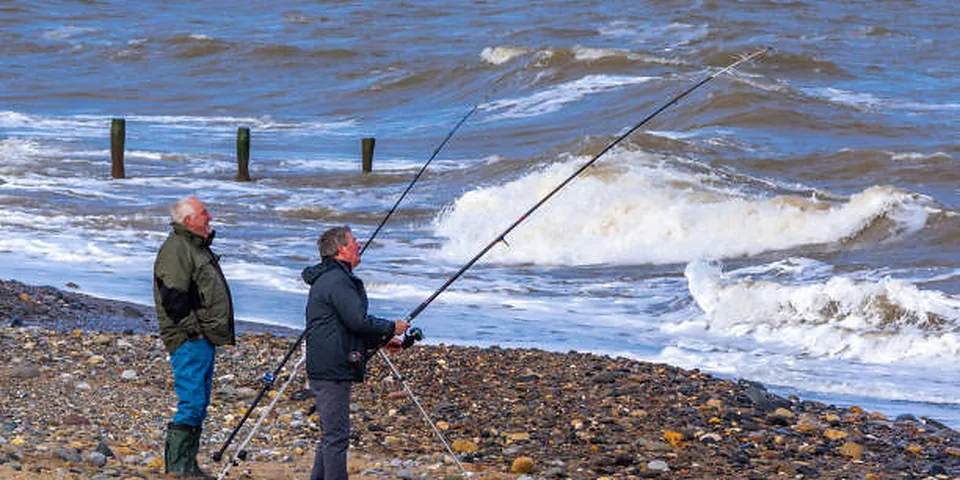
Pier fishing is beginner-friendly but demands a different budget tier because saltwater corrodes cheap reel components fast. Before buying anything, verify whether your pier requires a saltwater license, is covered by a general license, or has a separate pier permit — this varies by state and even by specific pier.
| Category | Freshwater bank setup | Pier/saltwater setup |
|---|---|---|
| Combo price range | $40–$90 | $100–$160 |
| Reel material | Standard graphite | Corrosion-resistant, sealed drag |
| Line strength | 6–10 lb mono | 10–20 lb, often braided leader |
| Extra gear | Sunglasses, small towel | Cooler, bucket, saltwater rinse routine |
Common pitfall: using a freshwater combo on a saltwater pier. Salt spray corrodes bearings and drag washers within a season, so the “cheapest freshwater combo” is often the most expensive choice at a coastal pier once you factor in replacement cost.
For coastal-specific picks, see Saltwater Fishing Gear for Beginners.
Trout Gear and the Stamp Fee Beginners Forget
Trout setups are usually lighter and cheaper than bass or pier gear — an ultralight or light spinning combo with light line and small hooks is enough for most stocked lakes and easy streams. The gear is rarely the problem. The license add-on is.
Many states require a separate trout stamp or permit on top of the base fishing license, and 2026 rates vary widely:
| State | 2026 trout stamp/permit fee | Source |
|---|---|---|
| Pennsylvania | $14.97 trout permit (age 16+) | Pennsylvania Fish & Boat Commission pa |
| New York | $5.00 trout/salmon stamp | Multi-state cost guide |
| Minnesota | $14.50 trout stamp | Multi-state cost guide |
| Michigan | $11.00 Great Lakes salmon/trout stamp | State cost guide |
| Connecticut | $5.00 trout stamp for harvest or designated waters | 2026 New England trout season guide |
| California | $11.50 trout stamp add-on | State cost guide |
| Georgia | $5.00 trout stamp add-on | 2026 fishing license cost guide |
| North Carolina | $13.00 mountain trout stamp | 2026 fishing license cost guide |
Common pitfall: buying trout tackle and skipping the trout stamp check. In roughly 28 states, targeting trout, salmon, or steelhead requires this add-on even if you plan to catch-and-release. Some waters also add artificial-lure-only rules or a report-card requirement, so check the specific water, not just the state page.
Full gear breakdown at Trout Fishing Gear for Beginners.
Bass and Panfish: The Best All-Around Combo
If you want one setup that covers bass, bluegill, crappie, and general pond fishing, a medium-light or medium spinning combo in the $50–$100 range is the most flexible single purchase you can make. It handles worms under a bobber, small soft plastics, beetle spins, and lightweight bass lures without swapping rods.
Panfish deserve more attention than they usually get in beginner guides. Bass get the marketing, but bluegill, sunfish, and crappie bite more reliably and are easier for kids to land, which matters more than species prestige on a first trip. For rod-specific comparisons, see Best Fishing Rods for Beginners.
Short-Term Starter Kit vs Long-Term Upgrade Path
Not every beginner needs to buy the “good” gear immediately. The decision to spend $40 versus $130 should depend on how many trips you realistically plan this season, not on marketing copy.
| Decision factor | Short-term starter kit | Long-term/frequent-use setup |
|---|---|---|
| Trips per year | 1–5 trips, testing interest | 10+ trips, regular hobby |
| Recommended combo price | $30–$70 | $100–$160 |
| Reel durability needs | Low — occasional light use | High — daily drag stress, saltwater exposure |
| Line replacement | Once per season is fine | Replace every 1–2 months of active use |
| Best use case | Kids, first pond trip, gifting | Pier, boat, or species-specific fishing (trout stamps, saltwater) |
If you are unsure which category you fall into, buy the $40–$70 starter combo first. It is inexpensive enough to replace without regret, and most beginners upgrade naturally once they know their preferred water and species. For direct budget picks, see Best Fishing Combo Under $100.
Family Trip Gear
Family trips need comfort gear as much as fishing gear:
- One simple, shorter rod per person who will actually cast
- Extra hooks and bobbers for re-rigging quickly
- Easy-to-use bait rather than lures
- Sunscreen, hats, and water
- A small first-aid kit
- Wet wipes or towels
- A bucket for temporary bait storage where allowed
- Printed or mobile-app license access for every angler who legally needs one
Common pitfall: overloading kids with too much gear. Two children, two hooks in the water, and one adult untangling lines is already a full day — fewer rods, not more, usually makes the trip smoother.
Also check youth license age cutoffs before the trip; the exempt age varies by state and is not standardized nationally.
Where to Spend and Where to Save
Spend a little more, because these items directly affect whether fish get caught or lost:
- A comfortable rod-and-reel combo matched to your target species
- Fresh fishing line (replace annually at minimum)
- Sharp hooks
- Pliers for safe hook removal
- Saltwater-rated gear if fishing the coast regularly
Save money on items that add cost without adding results for a beginner:
- Giant lure kits with dozens of unused colors
- Oversized tackle bags
- Duplicate rods before you know your preferred style
- Electronics and boat accessories before you own a boat
Final Pre-Trip Checklist
- Your fishing license is valid for the specific water you plan to fish
- Any trout stamp, saltwater endorsement, or species-specific permit is purchased
- Your reel already has line spooled on it
- You packed hooks, split shot, and bobbers
- You have bait or a small set of simple lures
- You brought pliers and line clippers
- You have water, sun protection, and a towel
- You know the size and bag limits for any fish you plan to keep
Official and Authoritative Sources
- US Fishing License Guide 2026
- Pennsylvania Fish and Boat Commission — 2026 License and Permit Pricing
- Fishing Gear for Beginners
- Best Fishing Rods for Beginners
- Best Fishing Line for Beginners
- Tackle Box Essentials
- Best Fishing Combo Under $100
- Trout Fishing Gear for Beginners
- Saltwater Fishing Gear for Beginners