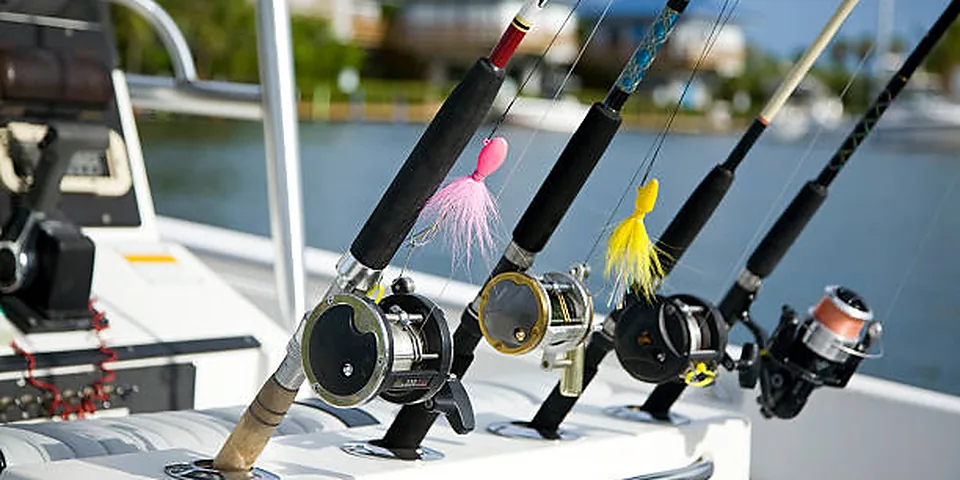
Bass fishing is popular with beginners because the equipment can stay simple while still leaving room to learn new techniques.
You do not need a boat, expensive electronics, or a wall of lures to catch your first bass. A working spinning rod, suitable line, one or two confidence baits, and a legal fishing license are enough to begin at many ponds and lakes.
The exact rules depend on the state and water. Check the license, season, size limit, and bag limit before keeping a fish. Start with Fishing Gear for Beginners and the U.S. Fishing License Guide.
Quick Beginner Setup
For a general freshwater bass trip, start with:
- Medium or medium-light spinning rod
- Spinning reel
- Monofilament or another line matched to the rod
- One soft plastic or small moving lure
- Hooks or jig heads that match the lure
- Pliers and line clippers
- Measuring tape
- License proof
- Water and sun protection
This setup is not for every bass situation. Heavy cover, large swimbaits, deep water, and specialized tournaments may require different equipment.
Bass License Basics
Before fishing, confirm:
- State where the water is located
- Resident or nonresident status
- Freshwater license requirement
- License duration
- Youth or senior rules
- Private pond or public water status
- Tournament or special-area permits
- Catch-and-release requirements
- Size and bag limits
Catch-and-release does not automatically remove the need for a license. The state may regulate the act of fishing even when you do not keep the fish.
Check the current state page for:
- Closed seasons
- Protected waters
- Lure or bait restrictions
- Hooks and gear limits
- Boat or access requirements
- Fish handling rules
For license details, use Fishing License Fees by State and When Can You Fish Without a License?.
Choose the First Water
The best first bass water is easy to reach and easy to understand.
Look for:
- Public bank access
- A small pond or lake
- Clear shoreline
- Nearby parking
- Minimal boat traffic
- A waterbody page with regulations
- Shade or a safe place to stand
A small pond can teach casting, retrieve speed, lure movement, and fish handling without the complexity of a large reservoir.
Do not assume a pond is public because it appears on a map. Confirm land access and fishing permission.
Bass Rod and Reel
Rod Power
A medium-light rod can make small lures enjoyable and works for many smaller bass. A medium rod provides more control when the fish is near vegetation or cover.
Rod Length
A rod around the general freshwater range is a practical starting point. Shorter rods can be easier around brush and for children. Longer rods can cast farther from open banks.
Spinning vs Baitcasting
Spinning gear is usually easier for a first bass setup. It handles light lures and simple bait without requiring advanced thumb control.
Baitcasting gear can provide control for heavier lures and cover fishing, but it adds a learning curve. Start with it when you want to learn the system, not because a beginner needs it.
See Spinning vs Spincast Reel and Best Fishing Rods for Beginners.
Line Basics
Line choice affects casting, sensitivity, stretch, and snag recovery.
Monofilament
Monofilament is affordable, forgiving, and easy to tie. It is a practical first line for many ponds and open-water situations.
Fluorocarbon
Fluorocarbon can be useful for leaders or situations where abrasion and visibility matter. It can be stiffer and less forgiving for beginners.
Braid
Braid can help in vegetation or when long casts are important, but it may require a leader and careful knot choice. It can also cut skin or damage guides when handled carelessly.
Match the line strength to the rod, lure, cover, and target fish. More strength is not always better if it makes casting difficult.
Bait and Lures
Soft Plastics
Soft plastics are versatile and can be rigged in several ways. Begin with one shape and one color family rather than buying every option.
Spinnerbaits and Small Moving Lures
Moving lures can help beginners learn a consistent retrieve. Cast, allow the lure to reach a planned depth, and vary the speed.
Crankbaits
Crankbaits can cover water and imitate prey, but their diving depth and treble hooks require more attention around shallow cover.
Live Bait
Live bait may be effective, but bait transport and use can be regulated. Confirm that the bait is legal for the water and dispose of unused bait correctly.
Use Best Bait for Freshwater Fishing for a broader beginner comparison.
Simple First Techniques
Fish the Edges
Bass often use edges where shallow water meets deeper water, vegetation, shade, or structure. Cast along the edge before moving to the middle.
Vary the Retrieve
Try:
- Slow and steady
- Short pauses
- Two quick turns followed by a pause
- Bottom contact when legal and practical
Change one variable at a time so you learn what affected the result.
Fan-Cast a Bank
Cast at several angles:
- Parallel to the bank
- Slightly outward
- Toward visible cover
- Into the next open lane
This is more useful than casting to the same spot repeatedly.
Fish the Weather Window
Wind, clouds, heat, cold fronts, and recent rain can affect activity. Check the weather, but do not turn a beginner outing into a complicated forecast project.
First Bass Trip Plan
Before Leaving
- Confirm license and water rules.
- Choose one target water.
- Check weather and access.
- Tie one or two rigs.
- Pack pliers and line cutters.
- Bring water and sun protection.
At the Water
- Read signs.
- Check bank stability.
- Choose a safe casting direction.
- Start with the confidence lure.
- Fan-cast the area.
- Watch the line during pauses.
- Move after several unproductive casts.
After a Catch
- Keep the fish in the water when possible.
- Wet your hands before handling.
- Support the fish correctly.
- Remove the hook with pliers.
- Measure only if needed.
- Release or keep the fish according to the current rules.
If a hook is deeply embedded, do not force it blindly. Cut the line close and seek experienced guidance when appropriate.
Bank, Pier, and Boat Differences
Bank Fishing
Bank anglers need accuracy, a small tackle kit, and a plan for changing shoreline depth. Avoid walking onto unstable banks or private land.
Pier Fishing
Piers may provide depth and access but introduce crowding, railings, current, and vertical fish handling. Check pier rules and bring a net when appropriate.
Kayak or Boat Fishing
A boat expands water access but adds safety, navigation, launch, and equipment decisions. Wear the required flotation equipment and confirm launch rules.
Bass Gear Checklist
Avoid buying a full bass collection before you learn the water.
Common Mistakes
Changing Lures Too Quickly
Give a simple lure enough time to teach you something before switching.
Fishing Only the Middle
Beginner bank anglers often ignore edges, shade, vegetation, and depth changes.
Using Heavy Gear Everywhere
Heavy line and rods can make small lures harder to cast and reduce the fun of smaller fish.
Forgetting the License Add-Ons
State-specific seasons, species rules, or special water requirements may matter even when bass fishing feels simple.
Mishandling Fish
Keep handling short, use wet hands, and do not drag fish across gravel or hold them in a way that damages the jaw or body.
FAQ
What is the best bass rod for a beginner?
A medium-light or medium spinning rod is a practical starting point for many freshwater bass trips. Match the length, line, and lure range to the water and cover.
Do I need a special bass fishing license?
Usually the base freshwater fishing license is the starting point, but the state may have special water, season, or method rules. Confirm the current state requirements.
Is live bait good for bass?
It can be effective, but bait use and transport may be regulated. Check the water rules before buying or collecting bait.
Can I fish for bass without keeping them?
You may still need a fishing license because the license requirement can apply to the act of fishing. Check the state rules.
Where should I fish for bass from the bank?
Start with public ponds or small lakes that have safe access, visible structure, and clear regulations. Fish edges, shade, vegetation, and changes in depth.
What should I bring on a bass trip?
Bring a working rod and reel, simple lures or legal bait, line, hooks, pliers, license proof, water, and sun protection.
Source Checklist
Before a bass trip, verify:
- Current fishing license requirement
- Freshwater or special-water category
- Resident or nonresident status
- Season, size, and bag limits
- Catch-and-release rules
- Bait and lure restrictions
- Public access and parking
- Weather and water safety
- Fish handling and harvest guidance
This article teaches a general method. The official state agency and water manager control the current rules.
Related Reading
- Fishing Gear for Beginners
- Best Fishing Rods for Beginners
- Best Bait for Freshwater Fishing
- Fishing License Fees by State
- When Can You Fish Without a License?
CTA
Choose one accessible pond or lake, verify the current license and bass rules, and learn one simple setup before expanding your tackle collection.