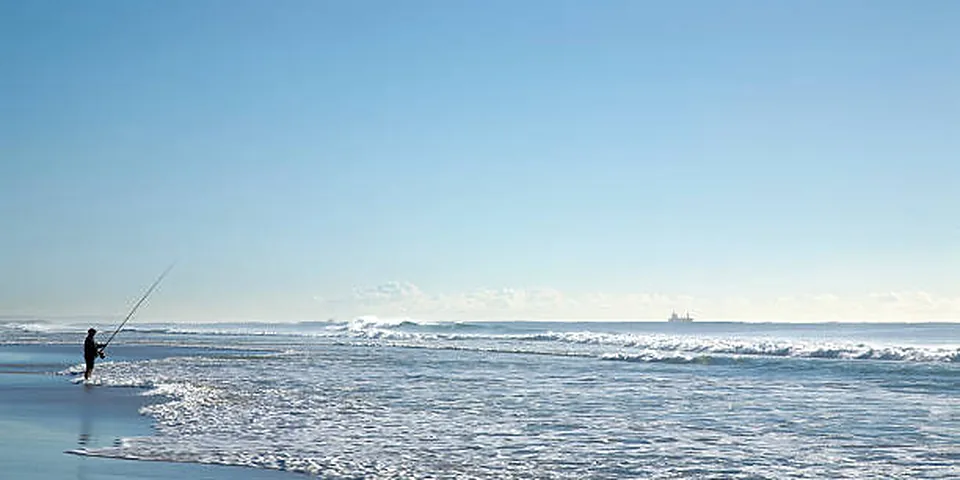
Bank fishing is one of the easiest ways to start fishing because you do not need a boat, trailer, launch permit, or complex electronics.
It is also easy to overpack.
The goal of a day trip is not to bring every lure you own. It is to bring the legal proof, simple gear, safety items, and comfort supplies that let you fish without making repeated trips back to the car.
Before packing, confirm the license and water rules. Start with the U.S. Fishing License Guide, then check the official state page for the exact lake, river, pier, or shoreline access you plan to use.
The Short Packing List
For a simple half-day bank fishing trip, pack:
- Fishing license or accepted digital proof
- Rod and reel
- Main line and a small backup spool
- Hooks, sinkers, and bobbers
- One or two bait or lure choices
- Pliers or forceps
- Line cutters
- Measuring tape
- Water and snacks
- Sun protection
- Weather-appropriate clothing
- Small first-aid kit
- Phone, charger, and location details
- Bag for trash and used line
Add a cooler, chair, waders, rain layer, or species-specific gear only when the location and conditions justify it.
Start With the Water, Not the Gear
Packing becomes easier after you answer five questions:
- What water are you fishing?
- Which species are you targeting?
- Will you stand, walk, or sit?
- How far is the walk from parking?
- What will the weather do during the trip?
The same backpack does not work equally well for a paved urban pond and a remote riverbank. A short walk allows a chair and cooler. A long walk favors water, a compact tackle pouch, and light clothing.
Use Fishing Gear for Beginners if you have not chosen the gear for the location yet.
Legal and Administrative Items
Fishing License
Carry the license proof required by the state and water.
Check:
- State
- Resident or nonresident status
- License duration
- Freshwater or saltwater category
- Trout, salmon, habitat, or species add-ons
- Report cards, tags, or validations
- Digital proof rules
- Expiration date
Do not assume a screenshot, email receipt, or payment confirmation is accepted everywhere. The state agency controls the proof rule.
Identification and Receipt
Some situations require identification or a customer number. Bring the ID used to buy the license, especially when traveling or using digital proof.
Keep the receipt or license account details available in case the license does not load at the water.
Access Information
Save:
- The exact access point
- Parking instructions
- Gate hours
- Entry or parking fee
- Waterbody rules
- Emergency address or nearest landmark
- Backup location in case the first area is closed
Public access is not always the same as public water. A map pin does not prove that the bank is legal to enter.
Rod and Reel
For many beginner freshwater trips, one spinning or spincast setup is enough.
Pack:
- Rod
- Reel
- Rod sleeve or tube
- Spare line
- Small cloth for drying hands and gear
Inspect the rod before leaving:
- Guides are intact.
- Tip is not cracked.
- Sections fit fully.
- Reel seat is tight.
- Drag turns smoothly.
- Line has no obvious abrasion.
For a compact road-trip setup, read Best Fishing Rods for Beginners.
Basic Terminal Tackle
Keep the first tackle kit small.
Hooks
Carry two or three sizes that fit your bait and target fish. Barbless or barbed rules can vary by water, so check the regulation page if you are unsure.
Sinkers
Use a small selection instead of a full organizer. Too much weight can make a simple rig difficult to cast and can damage light line.
Bobbers
A bobber helps beginners see bites and control bait depth. Bring at least one backup because bobbers can break, drift into cover, or disappear during a snag.
Swivels and Leaders
A few swivels or leaders can help with line twist or toothy fish, but they are not required for every pond. Pack what matches the water, not every possible rig.
Lures
Choose one confidence lure and one backup:
- Small spinner
- Soft plastic
- Spoon
- Simple jig
- Topwater lure when appropriate
Do not bring ten lure families before you know the basic water and species. The extra choices create more decision fatigue than fish.
For storage help, use Tackle Box Essentials.
Bait and Bait Containers
If you use live bait, pack:
- Correct bait container
- Small aerator if needed
- Rag or towel
- Extra water when appropriate
- A way to dispose of unused bait legally
Do not release live bait into a new waterbody unless the official rules specifically allow it. Bait movement can spread fish disease or invasive species.
Check whether the state regulates:
- Minnows
- Crawfish
- Cast nets
- Worm digging
- Trapping baitfish
- Transport between waterbodies
The Best Bait for Freshwater Fishing guide can help you choose a simple starting option.
Fish Handling and Small Tools
Pack tools that solve real problems:
- Pliers or forceps
- Line cutters
- Fish gripper only if you know how to use it safely
- Measuring tape
- Hook remover
- Small landing net where appropriate
- Wet towel for handling fish
Keep fingers away from hooks and teeth. Do not hold a fish by the gills unless you know the species and handling method. If you are releasing fish, keep it in the water as much as possible and minimize handling time.
If you plan to keep fish, bring the legal storage and cleaning supplies required for the trip. Check size limits, bag limits, closed seasons, and transport rules before harvesting.
Clothing and Sun Protection
Bank fishing exposes you to sun, mud, brush, insects, and changing temperatures.
Pack:
- Hat
- Sunglasses
- Sunscreen
- Long-sleeve layer
- Rain shell
- Extra socks
- Insect repellent
- Comfortable shoes with traction
- Waterproof bag for phone and keys
Polarized sunglasses can reduce glare and help you see shallow structure, but they are not a replacement for eye protection when casting. Keep other people behind you and look before every cast.
Food, Water, and Comfort
Bring more water than you expect to drink.
For a half-day trip:
- Water bottle
- Simple snack
- Hand wipes
- Small trash bag
- Towel
- Folding chair or sit pad if access allows
- Cooler if keeping legal fish or carrying food
Avoid glass containers near the water. Keep food sealed, clean spills, and pack out line, bait containers, and packaging.
Safety and Communication
Your safety kit should match the location.
At minimum:
- Charged phone
- Portable battery
- First-aid kit
- Headlamp or flashlight
- Emergency contact
- Exact access address saved offline
- Weather alert source
Add these for more remote or difficult water:
- Personal flotation device near deep or moving water
- Wading staff
- Whistle
- Map and compass
- Extra warm layer
- Dry bag
- Insect and tick protection
Do not stand close to an unstable bank, fish alone in hazardous conditions, or enter water simply to retrieve a snagged lure.
Weather Check Before Leaving
The forecast is part of the packing list.
Check:
- Wind speed and direction
- Lightning risk
- Rain timing
- Heat index
- Cold exposure
- Flood or high-water alerts
- Air quality or wildfire smoke
- Sunrise and sunset
Wind changes casting. Lightning changes the entire plan. High water can make a familiar bank unsafe.
Pack a backup plan: a shorter trip, another access point, or a different day.
Day Bag Setup
A simple two-layer system keeps the trip manageable.
Pocket or Waist Pack
Carry the items you need while moving:
- License proof
- Phone
- Pliers
- Line cutters
- One small tackle pouch
- Water
- Sunscreen
Vehicle or Base Camp Box
Keep backup items nearby:
- Extra line
- Extra hooks and bobbers
- Rain layer
- Cooler
- Chair
- First-aid kit
- Battery pack
- Spare clothing
- Backup rod
This prevents a heavy pack from becoming a barrier to walking the shoreline.
Printable Bank Fishing Checklist
Before Leaving Home
At the Water
Before Driving Home
What Not to Pack
Leave these at home unless the trip specifically needs them:
- A full tackle shop worth of lures
- Unlabeled chemicals or bait containers
- Glass bottles
- Loose hooks in clothing pockets
- Heavy chair for a long walk
- Waders when you do not need to enter the water
- Expensive electronics for a simple bank trip
- Fish handling tools you do not know how to use
More gear can increase risk and reduce time fishing. Start with a small, repeatable kit.
FAQ
What is the most important thing to pack for bank fishing?
Pack the correct fishing license or accepted proof, a working rod and reel, simple terminal tackle, water, weather protection, and a way to remove hooks safely.
Do I need a tackle box for bank fishing?
No. A small pouch can hold enough hooks, sinkers, bobbers, and lures for a half-day trip. Use a larger tackle box only when the location or target species requires it.
Should I bring live bait?
Only when it is legal, practical, and appropriate for the water. Check bait transport and disposal rules, and do not release unused bait into another waterbody.
What should kids bring on a bank fishing trip?
Children need a properly sized rod, simple bait or bobber setup, water, sun protection, safe shoes, and close adult supervision. Check youth license rules before the trip.
How much water should I bring?
Bring enough for the full outing plus a reasonable backup, especially in heat or when the walk from parking is long. Dehydration ends more beginner trips than a missing lure.
Source Checklist
Before using this checklist for a specific trip, verify:
- Official fishing license and digital-proof rules
- Waterbody regulations, seasons, and access hours
- Size and bag limits
- Bait collection and transport restrictions
- Freshwater or saltwater requirements
- Weather, flood, wildfire, and lightning alerts
- Park, parking, and entry fees
- Local safety notices
The packing list is general. The state agency, land manager, and water-specific rules control the final trip decision.
Related Reading
- U.S. Fishing License Guide
- Fishing Gear for Beginners
- Best Fishing Rods for Beginners
- Tackle Box Essentials
- Best Bait for Freshwater Fishing
- Fishing License Rules for Kids and Seniors
CTA
Pack one legal, comfortable, repeatable bank-fishing kit and test it close to home first. Once the checklist feels automatic, longer fishing days become much easier to plan.