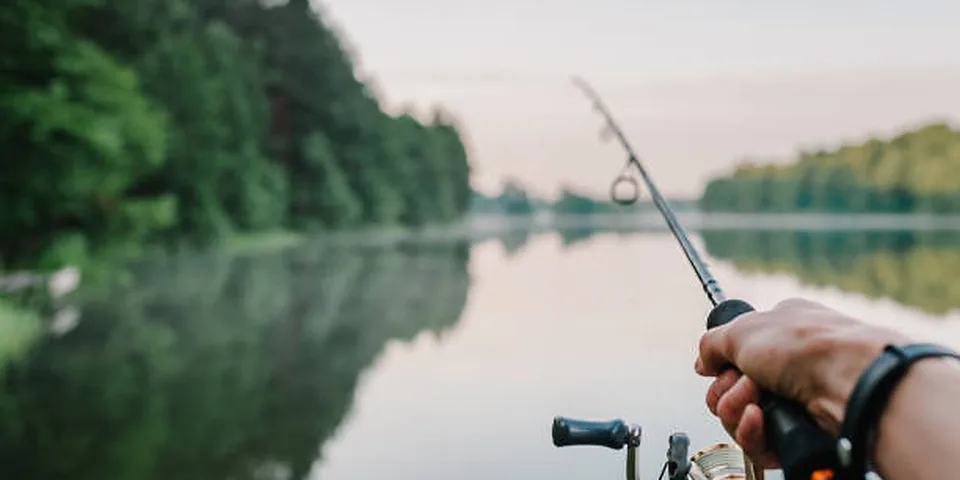
A dock corner gives fish a hard edge, shade, vertical posts, and a place where wind or current can push food. It also gives beginners ways to snag, trespass, or cast into an unusable lane.
The goal is to fish the corner you can reach legally, safely, and cleanly. You do not need to skip a lure far under the dock. You need a controlled cast, a clear retrieval lane, and a plan for what the bait should do beside the corner.
If you are still building a basic setup, see Fishing Gear for Beginners.
Quick Answer
To fish a dock corner from the bank, first confirm that the shoreline and dock area are open to fishing. Then stand where your cast, retrieve, and landing path are clear. Start with short casts along the outside edge of the corner, then work the shade line, vertical posts, and any wind or current seam.
Use a simple bait or lure that you can control. A small jig, soft plastic, bobber rig, or legal bait presentation is easier for beginners than a large multi-hook lure around posts and ropes. Keep the bait close to the corner without dragging it into ladders, cables, boats, or thick weeds.
The best beginner pattern is:
- Cast parallel to the dock edge first.
- Bring the bait past the outside corner.
- Pause briefly near shade, posts, or current breaks.
- Change angle before changing lures.
- Move after you have checked the reachable lanes without a bite or sign of fish.
A dock corner is a target, not a dare. Fish the clean water beside it before trying the hardest cast under it.
Confirm Access Before You Cast
Dock corners often sit at the edge of private property, marinas, resorts, campgrounds, apartment ponds, boat ramps, and public parks. Do not assume that a visible dock is open to fishing. A lake may be public while the dock, walkway, bank, or parking area is not.
Before rigging up, check:
- Posted signs near the dock, bank, parking area, and path
- Whether fishing is allowed from the bank, the dock, or both
- Whether the corner is beside a private boat slip, fuel area, swimming zone, or launch lane
- Whether park or marina rules limit fishing to certain hours or marked areas
- Whether you need permission from an owner, manager, campground host, or local agency
Access permission and license rules are separate. Having a license does not give you the right to fish a private dock. See Private Property Fishing License Rules and the U.S. Fishing License Guide.
If access is unclear, choose a clearly marked public bank instead.
Read the Dock Corner Like Structure
A corner creates edges where fish can hold in cover and move out to feed. From the bank, look for the parts that create an easy ambush lane.
Pay attention to:
- Shade: Bright sun can push fish tight to the darker water beside or under the dock.
- Current: Even light current can split around posts and corners, creating small soft pockets.
- Wind: Wind can push insects, floating food, and baitfish toward one side of the dock.
- Vertical posts: Posts give fish a place to hold and give your line a place to rub.
- Bottom change: A corner near deeper water, rocks, weeds, or a drop-off is often better than a flat, featureless corner.
Stand back and watch before casting. Look for minnows, surface dimples, bubbles, dark shade, weed edges, and moving water. The best target may be the line where dock shadow meets open water, or the outside post where wind is pushing bait.
Break the corner into small lanes: the bank side, outside edge, front face, shadow line, and posts.
Choose a Simple Setup
Around a dock corner, control matters more than distance. Use equipment you can cast accurately at short range. The Best Fishing Rods for Beginners, Best Fishing Line for Beginners, and Tackle Box Essentials guides cover practical basics.
Good beginner choices include:
- A small jig that can be lifted over light cover
- A soft plastic rigged so it does not snag easily
- A bobber and legal bait when you need to control depth
- A compact single-hook bait near posts or weeds
Large treble-hook lures are less forgiving near ropes, ladders, cables, brush, or other anglers. A single-hook presentation is usually easier to remove and safer on a crowded bank.
Match the weight to the lane. Too little weight may drift into ropes or weeds. Too much weight may fall straight into snags and make the bait look unnatural. Start light enough to control but heavy enough that you can feel where the bait is.
Pick Safe Casting Angles
Start with the angle that gives you the cleanest retrieve and safest hook path.
Work the corner in this order:
- Cast parallel to the outside dock edge.
- Retrieve past the corner without touching the posts.
- Cast across the shade line.
- Cast beside the nearest vertical post.
- Try the open pocket behind the corner only if the lane is clear.
Parallel casts keep the bait near structure longer and reduce the chance of wrapping a post. A cast straight at the corner often swings into cover quickly.
If wind is blowing into the corner, fish the windward side first when you can control the cast. Food and small fish may be pushed there. If the wind makes the cast sloppy, move to the leeward side or shorten the cast. Accuracy beats distance beside a dock.
With current, cast slightly upstream and let the bait move past the post or corner. Do not let slack line drift around a support.
Fish the Retrieval Lanes
A retrieval lane is the path your bait follows back to you. Around a dock corner, most snags happen during the retrieve.
Before each cast, ask:
- Will the line cross a post, rope, ladder, boat, or cable?
- Can I guide a hooked fish away from the corner?
- Is there a clean place to land the fish?
Start with short casts. Bring the bait past the corner, pause near the shade, and continue into open water. If you feel the bait tick a post or brush, lift gently and change angle on the next cast. Do not rip hard unless you are sure the hook is clear.
For bobber fishing, set the depth shallow enough to pass above weeds, ropes, and submerged braces. If the float drifts into the corner too quickly, shorten the drift or change position.
For lures, use a steady retrieve first. Once the lane is clean, add pauses near the corner, posts, and shade edge.
Avoid Snags Without Avoiding Fish
Snag avoidance does not mean staying far away from the dock. It means approaching the structure from the right angle and using a rig you can manage.
Try these habits:
- Keep casts short until you know the bottom and cover.
- Aim beside posts, not directly over them.
- Keep the rod tip high when you need to lift over shallow weeds.
- Keep the rod tip lower when wind is bowing the line too much.
- Retie after the line rubs wood, concrete, metal, or rope.
- Move your feet to change the angle instead of forcing the same cast.
If you snag, stop and think. Pulling harder is not always the answer. Lower the rod tip, change your angle from the bank, and pull steadily toward open water. Never wrap fishing line around your hand. If the lure is stuck where retrieval would require climbing, leaning over unsafe water, or stepping onto private property, break off as cleanly as possible and retie.
Check the first few feet of line after every bad snag or fish fight around a post. Rough line can fail on the next hookset.
Hook, Land, and Handle Fish Safely
Decide how you will land a fish before casting. Fish often turn toward posts, weeds, or shade as soon as they feel pressure.
When you get a bite, lift firmly and guide the fish away from the corner. Keep steady pressure without horsing it through the structure. If it runs toward a post, lower your rod angle and move along the bank if safe.
Have pliers or a hook remover ready. Wet your hands before touching a fish you plan to release. Support the body, avoid the gills and eyes, and keep the fish close to the water. If the dock is high, the bank is steep, or the fish is larger than expected, use a landing net instead of swinging it by the line.
For kept fish, confirm species, size, season, possession, and local rules before the trip. For released fish, unhook quickly and return the fish gently.
When to Move
A good dock corner should teach you something within a few minutes. That does not always mean a bite, but you should learn where the clean lane is, where the snags are, and whether bait or fish are present.
Move after 15 to 25 focused minutes if:
- You cannot fish the corner legally or safely
- Boat traffic, swimmers, or other anglers make the lane unsafe
- Every useful cast crosses ropes, cables, or private property
- You have checked the outside edge, shade line, and nearest posts without a sign of life
- The wind makes accurate casting impossible from that bank position
- You keep snagging even after changing angle, depth, and retrieve speed
One dock corner may be dead while the next has shade, bait, and a clean cast.
FAQ
Do I need to cast under the dock corner?
No. Beginners should start beside the corner, along the outside edge, and across the shade line. Cast under the dock only when the lane is clear and you can land a fish safely.
What is the best bait for a dock corner?
The best beginner bait is one you can cast accurately and keep out of snags. A small single-hook lure, simple soft plastic, jig, or legal bait rig is often easier than a large lure. The Best Bait for Freshwater Fishing guide can help with basic choices.
Should I fish the windy side or calm side?
Check the windy side first if you can cast safely because wind can push food and baitfish into the corner. If wind ruins accuracy or bows the line around posts, fish the calmer side.
How close should I cast to the post?
Close enough that the bait passes the holding area, but not so close that the line wraps the post. A clean pass a foot or two away is usually better than a perfect-looking cast that snags.
How long should I stay at one dock corner?
Give a reachable corner about 15 to 25 focused minutes. Check the outside edge, shade line, posts, and wind or current seam. If nothing happens and the lane is not improving, move.
Can I fish a private dock from a public bank?
Only if the bank access and the fishing activity are legal for that exact spot. Do not cast into private slips, boats, ropes, or restricted dock areas without permission.
Source Checklist
Before fishing a dock corner from the bank, verify:
- The bank, path, parking area, and dock corner are open to fishing
- Your fishing license or exemption is current for the water
- Local rules allow fishing near the dock, marina, park, ramp, or shoreline
- No signs, ropes, boats, ladders, swimmers, or launch traffic block the casting lane
- Wind and current allow you to control the bait
- You have a clean retrieval lane and a safe landing route
- Your line, knot, hook, and bait are suitable for posts and light abrasion
- You know when you will move if the corner is unsafe, snaggy, or inactive
This check prevents beginner dock problems before casting.
Related Reading
- Fishing Gear for Beginners
- Best Fishing Line for Beginners
- Tackle Box Essentials
- Best Fishing Rods for Beginners
- Best Bait for Freshwater Fishing
- Private Property Fishing License Rules
- U.S. Fishing License Guide
CTA
Pick one legal dock corner and fish it in a simple order: outside edge, shade line, nearest post, then the cleanest pocket. Keep the first casts short, change one thing at a time, and leave when the lane stops being safe or useful.